


Table of Contents
- Smart Kitchen Gadgets vs Manual Tools: The Core Trade-Off
- Speed and Efficiency: How Smart Gadgets Cut Prep Time
- Durability and Longevity: Manual Tools vs Electronic Appliances
- Best Affordable Gadgets for Daily Living
- Essential Kitchen Tools for Beginners
- Maintenance, Storage, and Real-World Practicality
- Which Should You Choose? A Decision Framework
- Frequently Asked Questions
Last Updated: September 24, 2026
Smart Kitchen Gadgets vs Manual Tools: The Core Trade-Off
The debate about smart kitchen gadgets vs manual tools isn't new. At MixVanta, we've tracked how home cooks balance speed, durability, and real-world practicality, and the answer is messier than most guides suggest.
Smart devices prioritize speed and precision; manual tools prioritize durability and skill-building. Neither is universally better, what matters is understanding where each excels and which combination fits your workflow.
Speed and Efficiency: How Smart Gadgets Cut Prep Time
Smart gadgets win decisively on speed. A digital scale eliminates guesswork in portioning; a motorized chopper handles repetitive cutting faster than hand work. This matters when feeding a family after work or prepping meals for the week.

The efficiency gain is real but context-dependent. If you're measuring spices for a single recipe, the time saved is negligible. If you're portioning ingredients for meal prep or baking where precision matters, a digital scale becomes genuinely useful. The USDA guidelines on food safety emphasize accurate portion control for proper nutrition, something digital tools handle consistently.
Smart gadgets shine for repetitive tasks. An electric chopper handles vegetable work in seconds, freeing time for seasoning, plating, or eating.
The tradeoff: smart gadgets require power, setup, and cleanup. For quick, one-off tasks, the overhead outweighs the time saved.
Durability and Longevity: Manual Tools vs Electronic Appliances
Manual tools outlast smart gadgets by years. A well-maintained chef's knife works for decades; a manual chopper can last a lifetime. Electronic devices fail, batteries die, motors burn out, sensors malfunction.
Manual tools have fewer failure points and no dependence on power or circuit boards. This reliability matters in real kitchens where tools must work consistently.
Smart gadgets often fail outside warranty periods, leaving you with a broken tool and no economical repair option.
Manual tools require maintenance but reward it: regular honing and occasional oiling keep them functional for years. Smart gadgets offer no graceful degradation, they work until they don't.
Best Affordable Gadgets for Daily Living
The most practical smart gadgets solve a single problem well without requiring constant attention.
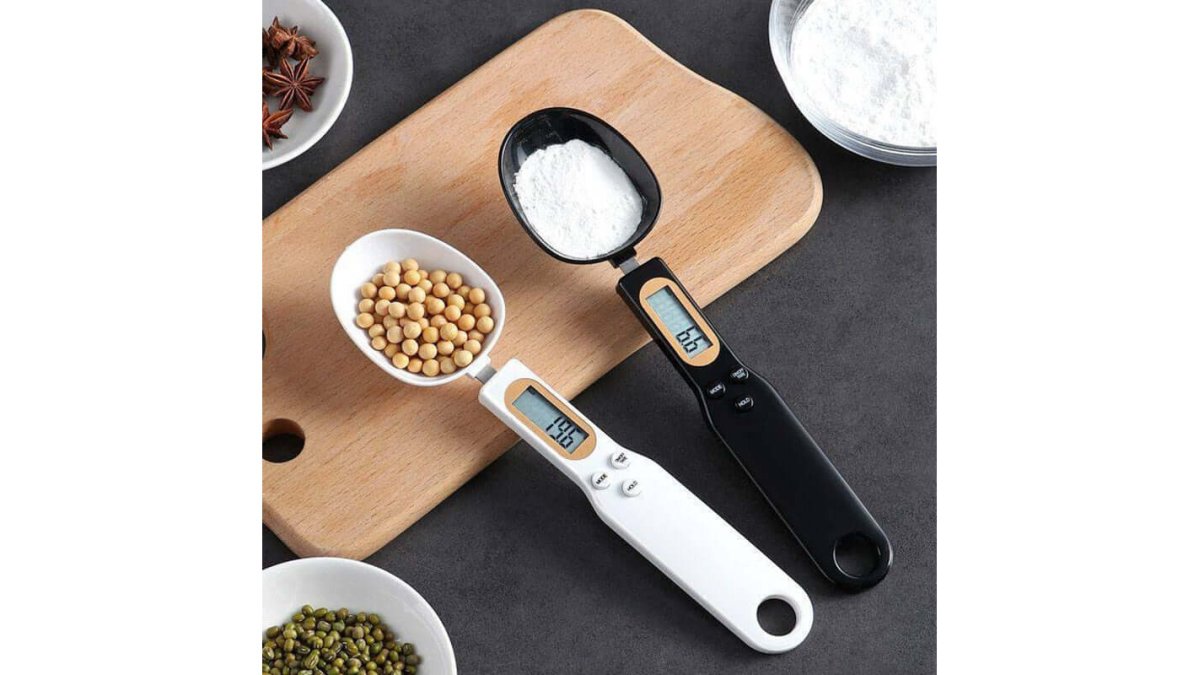
The Digital Measuring Spoon Scale Mini at $10.35 handles ingredient portioning with 0.1g accuracy. It's battery-powered, lightweight, and designed for everyday use. The removable spoon head makes cleaning straightforward. For anyone who bakes or tracks portions, this tool eliminates the mental math of converting measurements.
The Measuring Spoon Scale at $18.99 offers the same precision with a larger capacity (500g) and more color options. Both versions share the same core advantage: they remove ambiguity from measuring, which matters more in baking than in cooking.
The [Multi-Functional Kitchen Drain Basket(/products/multi-functional-kitchen-drain-basket) | https://mixvanta.store/products/multi-functional-kitchen-drain-basket] at $15.99 isn't a "smart" gadget in the electronic sense, but it's designed for efficiency. The drainage holes allow quick rinsing of vegetables or pasta. Made from durable ABS plastic, it handles daily use without degrading. This is a tool that solves a real problem, washing and draining produce, without complexity.

| Tool | Price | Best For | Key Advantage |
|---|---|---|---|
| Digital Measuring Spoon Scale Mini | $10.35 | Portioning, baking | Compact, battery-powered, 0.1g accuracy |
| Measuring Spoon Scale | $18.99 | Precise measuring | Larger capacity, color options |
| Multi-Functional Kitchen Drain Basket | $15.99 | Food prep | Durable plastic, quick drainage |
| Vegetable Chopper Kitchen | $13.08 | Chopping, dicing | Manual operation, affordable |
Essential Kitchen Tools for Beginners
If you're building a kitchen from scratch, the priority isn't gadgets, it's foundational tools that teach technique and remain useful for decades. The right starting toolkit emphasizes versatility, durability, and skill-building over convenience.
Why Manual Tools First: Skill Development and Sensory Cooking
Relying on smart gadgets from the beginning masks sensory feedback that makes you a better cook. Hand-chopping develops intuitive sense of how vegetables break down, the resistance of a carrot versus a bell pepper, the sound of a sharp knife, visual cues for uniform sizing. These sensory inputs train your brain to recognize doneness and texture.
A digital scale removes the need to understand how ingredients relate by weight and volume. Manual measuring forces conscious engagement with these relationships, building intuition that transfers across all cooking.

Tools requiring active engagement build stronger neural pathways than automated tools. A knife teaches blade angle, pressure, and rhythm; a motorized chopper teaches you to press a button.
The Beginner's Core Toolkit
Start with these essentials:
Knives and cutting: A chef's knife (8-inch blade) handles 90% of cutting tasks. A paring knife handles detail work. A serrated bread knife handles slicing. These three knives, kept sharp, eliminate the need for specialized gadgets and last 20+ years with basic maintenance.
Cutting surfaces: A wooden or plastic cutting board (at least 12×18 inches) is essential. Wood is gentler on knife edges; plastic is easier to sanitize. One board is sufficient to start; add a second later if you want to separate raw proteins from vegetables.
Measuring tools: Measuring cups and measuring spoons cover nearly all recipes. Dry measuring cups have flat rims for leveling; liquid measuring cups have spouts.
Mixing and prep: A large stainless steel mixing bowl (3-4 quart capacity) works for prep, mixing, and storage. A smaller bowl (2-quart) handles sauces and sides. These nest together and last indefinitely.
Heat and cooking: A wooden spoon, a silicone spatula, and a whisk handle most stovetop tasks. These are inexpensive ($2-$5 each) and rarely break.
This toolkit teaches technique, requires no batteries, and functions reliably for decades.
When to Add Smart Gadgets (And When Not To)
Once you've built competence with manual tools, smart gadgets become supplements, not replacements. Add them only when you identify a genuine workflow bottleneck:
Add a digital scale if: You bake regularly (weekly or more often) and want to reduce guesswork in recipes. Baking is weight-sensitive; a scale eliminates the variability of scooping flour. Cost-benefit is clear: $10-$20 for a scale that saves 2-3 minutes per baking session and improves consistency.
Add an electric chopper if: You meal-prep vegetables weekly and find hand-chopping tedious or time-consuming. If you're processing 5+ pounds of vegetables in one session, an electric chopper saves 10-15 minutes. If you're chopping one onion for dinner, it doesn't.
Skip gadgets if: You cook occasionally, prefer simplicity, or have limited counter space. A beginner who cooks 2-3 times per week doesn't need an electric chopper, a digital scale, or a motorized mixer.
The Progression Framework
Think of kitchen tools in three phases:
Phase 1 (Months 1-6): Master manual tools. Learn to sharpen a knife, understand how different vegetables cut, develop speed and confidence with basic techniques. This phase builds the foundation that makes every future tool, smart or manual, more effective.
Maintenance, Storage, and Real-World Practicality
Maintenance and storage reveal a deeper trade-off that most kitchen guides overlook: the total environmental and accessibility cost of ownership.
Environmental Impact: The Hidden Cost of Smart Gadgets
Smart gadgets carry an environmental footprint beyond their useful life. A digital scale requires batteries every 1-2 years; over a decade, a single scale generates 5-10 spent batteries. Alkaline batteries can leach zinc and manganese into soil if improperly disposed.
Accessibility and Ergonomics: Who Benefits From Which Tool?
For users with arthritis, carpal tunnel syndrome, or limited hand strength, smart gadgets can be transformative. An electric chopper eliminates repetitive gripping; a digital scale reduces strain on wrists and shoulders.
Storage, Clutter, and Kitchen Workflow
Storage compounds the practical burden of smart gadgets. Each device requires a charging cable, battery compartments, and counter space. Manual tools stack and nest efficiently: a knife block holds 8-12 knives in minimal space; measuring cups nest into each other. A kitchen with 15 manual tools occupies less space than one with 5 smart gadgets plus accessories.
The Maintenance Reality
Smart gadgets offer no graceful degradation, they work until they don't. Manual tools require predictable maintenance: a knife needs sharpening every few months, a wooden board needs occasional oiling. This maintenance is simple, inexpensive, and extends tool life indefinitely.
Which Should You Choose? A Decision Framework
The choice between smart kitchen gadgets and manual tools isn't binary. Most functional kitchens use both. The framework is simple: use smart gadgets for tasks where precision or speed genuinely matters to your cooking. Use manual tools for everything else.
Frequently Asked Questions
Are smart kitchen gadgets worth the investment compared to manual tools?
Smart gadgets excel at repetitive tasks and precision. A digital measuring spoon scale ($10.35-$18.99) cuts guesswork from baking and portion control. Manual tools like vegetable choppers ($13.08) cost less upfront but require more hand effort. The choice depends on your cooking frequency and budget. Busy households preparing meals daily often recoup the cost through time savings within months.
What are the best affordable gadgets for daily living in the kitchen?
Start with multi-purpose tools that handle several tasks. The Vegetable Chopper Kitchen ($13.08) handles chopping, dicing, and slicing. Digital measuring spoons ($10.35-$18.99) eliminate measurement errors in cooking and baking. A Multi-Functional Kitchen Drain Basket ($15.99) speeds up food prep and cleanup. These three tools cover the core functions most home cooks need without breaking the budget.
What are the most essential kitchen tools for beginners?
Beginners should prioritize tools that build confidence and prevent mistakes. A digital measuring spoon with 0.1g accuracy helps you follow recipes exactly. A vegetable chopper simplifies cutting tasks. A drain basket with quick-draining holes simplifies prep work. These essential kitchen tools let you focus on technique rather than struggling with basic tasks, making cooking more enjoyable as you learn.
Do manual kitchen tools last longer than smart electronic gadgets?
Manual tools typically outlast electronics because they have no batteries or circuits to fail. A well-made vegetable chopper can work for decades with minimal maintenance. Smart gadgets have moving parts and power sources that eventually wear out, though quality units last 5-10 years with proper care. Manual tools require more physical effort but offer reliability; smart gadgets trade longevity for convenience.
The smartest kitchen isn't the one packed with gadgets. It's the one where you've chosen tools deliberately, knowing exactly why each one is there. MixVanta offers both smart gadgets and reliable manual options, the measuring spoons, the drain baskets, the choppers, designed to fit into a kitchen that works for you. The goal isn't to have every tool. It's to have the right tools for how you actually cook.


