


Table of Contents
- Why Stainless Steel Appliances Show Streaks and Water Spots
- Essential Tools and Materials for Streak-Free Cleaning
- Step-by-Step Guide: How to Clean Stainless Steel Appliances Without Streaks
- Cleaning Stainless Steel Grain Direction: Why It Matters
- Best Stainless Steel Cleaner for Streaks: Natural vs. Commercial
- How to Polish Stainless Steel Appliances for a Protective Finish
- What to Avoid When Cleaning Stainless Steel
- Troubleshooting Stubborn Stains and Damage
- Frequently Asked Questions
Last Updated: September 25, 2026
Why Stainless Steel Appliances Show Streaks and Water Spots
Stainless steel appliances look sleek but are fingerprint magnets. Water spots and streaks appear fast, making them look dull.
Stainless steel has a grain direction, tiny lines running across the surface. Wiping against the grain traps water and cleaning residue in those lines, creating streaks.
Mineral deposits in hard water leave white or cloudy marks. Fingerprints add oils that catch light easily. Understanding this helps you clean better.
Essential Tools and Materials for Streak-Free Cleaning
What you'll need:
- Microfiber cloths (lint-free, non-abrasive)
- White vinegar
- Baking soda
- Dish soap
- Mineral oil or olive oil
- Warm water
- Soft sponge or soft brush
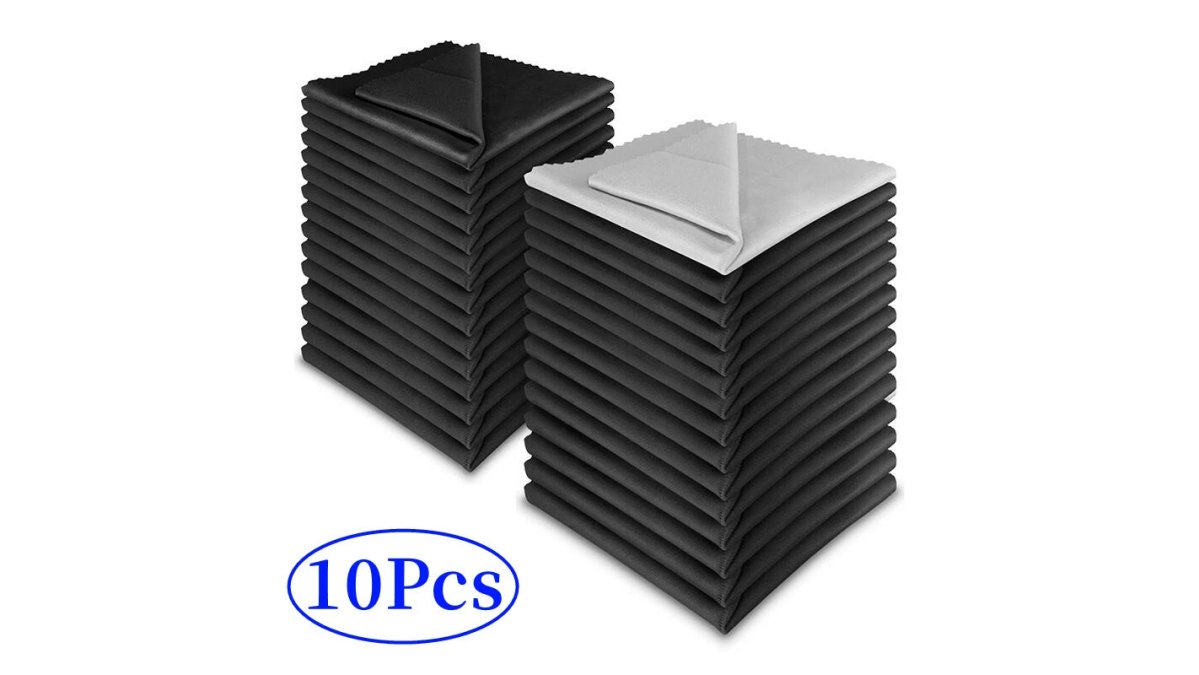
The CrystalClear Microfiber Cloths from MixVanta are specifically designed to remove fingerprints and oils without leaving lint. They work on stainless steel, glass, and screens, a handy multi-purpose tool for any home.

Avoid steel wool, scouring pads, or abrasive sponges. These scratch the surface and ruin the finish. Stick to soft materials that won't damage the protective coating.
Step-by-Step Guide: How to Clean Stainless Steel Appliances Without Streaks
Prepare Your Appliance
Unplug your appliance if safe to do so to prevent accidents.
Wipe away loose dust and crumbs with a dry microfiber cloth to prevent grinding grit into the metal.

Check the grain direction by running your finger across the surface, it feels smoother in one direction.
Clean Along the Grain
Mix warm water with a few drops of dish soap and dampen your microfiber cloth.
Wipe in the direction of the grain with gentle, even pressure. This prevents water and soap from getting trapped in the metal's lines.
Start at the top and work down so drips fall onto uncleaned areas.
For stubborn spots, apply a baking soda and water paste, let sit 5 minutes, then gently rub with the grain.
Dry and Buff for Shine
Dampness left on the surface creates water spots and streaks.
Use a clean, dry microfiber cloth to dry the entire appliance, wiping with the grain.
For extra shine, apply a thin layer of mineral oil or olive oil to a cloth and rub with the grain. Use very little oil to avoid a greasy look.
Buff with a final dry cloth to remove excess oil and prevent fingerprints from sticking as easily.
Cleaning Stainless Steel Grain Direction: Why It Matters
The grain direction is created during manufacturing and runs consistently across the surface.
Cleaning against the grain traps water and soap in grooves, leaving mineral deposits and soap residue as visible streaks.
Working with the grain lets water flow off the surface instead of pooling in the lines. This simple change makes a huge difference in your final result.
Many people scrub in circles or random directions, then wonder why streaks appear. The solution is the right technique, not a better product.
Find the grain by running your fingertip across the stainless steel. It feels slightly smoother in one direction. That's the direction you should always wipe.
Best Stainless Steel Cleaner for Streaks: Natural vs. Commercial
The best choice depends on your water hardness. Understanding your water chemistry is key to streak-free results.
How Water Hardness Causes Streaks
Water hardness, the concentration of dissolved minerals like calcium and magnesium, causes stubborn streaks. Hard water leaves white, cloudy deposits; soft water may leave soap residue if not rinsed thoroughly.
In hard-water areas, mineral deposits accumulate faster and are harder to remove, the water itself is the problem.
Check your water hardness by contacting your local water utility, using a test kit, or observing white deposits on faucets and showerheads.
DIY Solutions: Vinegar, Baking Soda, and Dish Soap
White vinegar dissolves mineral buildup. Mix equal parts vinegar and water in a spray bottle, spray lightly, and wipe with a microfiber cloth along the grain.
CrystalClear Microfiber Cloths →
In hard-water areas, let the vinegar solution sit 2-3 minutes before wiping to dissolve stubborn mineral layers.
Baking soda works on stuck-on grime and light mineral deposits. Mix with water to form a paste, apply, wait a few minutes, then gently scrub with the grain.
Dish soap handles everyday cleaning and light fingerprints, but in hard-water areas, vinegar must remove soap residue afterward.
Best for: Regular maintenance in soft-water areas, light fingerprints, and households on a budget. These solutions work fine for weekly cleaning but may not fully address mineral deposits in hard-water regions.
Commercial Cleaning Agents
Commercial cleaners contain chelating agents that bind to minerals, making them superior for hard-water areas.
Commercial cleaners include mineral oil or silicone for shine and water repellency, creating streak-free results in hard-water conditions.
The trade-off is cost and chemical exposure, though most commercial cleaners are food-safe once dried.
Best for: Hard-water areas, stubborn mineral deposits, and households that prioritize speed and shine. If you live in a region with very hard water (over 200 ppm hardness), commercial cleaners often outperform natural solutions.
Choosing Based on Your Water Type
Soft water (0-60 ppm hardness): Natural solutions (vinegar, baking soda, dish soap) work well. You can clean weekly with dish soap and do a vinegar rinse monthly.
Moderately hard water (61-120 ppm hardness): Use vinegar as your primary cleaner for mineral deposits, and dish soap for everyday fingerprints. Alternate between natural and commercial cleaners monthly for best results.
Hard water (121+ ppm hardness): Commercial stainless steel cleaners are worth the investment. Use them every 1-2 weeks to prevent mineral buildup. Vinegar can supplement for spot cleaning between commercial cleanings.
Combining Methods for Best Results
A hybrid approach works well: clean with dish soap weekly, use vinegar every 2 weeks, and apply commercial cleaner monthly.
This strategy balances cost, chemical exposure, and effectiveness across different water conditions.
How to Polish Stainless Steel Appliances for a Protective Finish
Polishing is more than cosmetic, it creates a hydrophobic barrier that repels water, fingerprints, and mineral deposits. However, the polishing approach varies depending on your appliance type and how much heat exposure it receives.
Understanding Oil-Based Protection
Mineral oil, olive oil, and commercial stainless steel polishes work by depositing a thin hydrophobic layer on the surface. This layer causes water to bead and roll off rather than spread across the grain, which is why polished appliances resist water spots and streaks far better than unpolished ones.
The protective layer also fills microscopic imperfections in the grain, making fingerprints less visible and reducing the adhesion of oils and dust. This is why a polished refrigerator stays cleaner longer than one cleaned but not polished.
Appliance-Specific Polishing Guidelines
Refrigerators and freezers: These experience minimal heat and are ideal candidates for regular polishing. Polish monthly or every 4-6 weeks if your household has hard water or high humidity. The protective layer lasts longer on cooler surfaces.
Dishwashers: Heat from the wash cycle and steam can degrade oil-based polishes faster.
The Polishing Process
Apply a dime-sized amount of mineral oil or polish to a clean microfiber cloth. Never apply oil directly to the appliance surface, excess oil pools in the grain and looks greasy.
When Polishing Isn't Enough
If your appliance has lost its shine despite regular polishing, the protective coating may be worn or damaged. This happens in high-traffic kitchens or homes with very hard water. In these cases, use a commercial stainless steel restorer product designed to strip old buildup and reapply a fresh protective layer. These are typically used once every 6-12 months as a deep-maintenance step.
What to Avoid When Cleaning Stainless Steel
Certain materials and methods damage stainless steel. Knowing what to skip saves your appliances from permanent damage.
Don't use these:
- Steel wool or scouring pads (they scratch the surface)
- Abrasive cleaners or powders
- Bleach or ammonia-based products
- Circular scrubbing motions (they create swirl marks)
- Harsh chemicals or oven cleaner
- Excessive water (standing water causes spotting)
Troubleshooting Stubborn Stains and Damage
Sometimes regular cleaning isn't enough. Certain stains need special handling.
Frequently Asked Questions
Can I use Dawn dish soap on a stainless steel fridge?
Yes, Dawn dish soap is safe for stainless steel appliances when diluted with water. Mix a few drops with warm water, apply with a soft cloth, and rinse thoroughly with a damp cloth. Avoid letting soapy water sit on the surface, as it can leave residue. Always dry immediately with a lint-free cloth to prevent water spots and streaks.
Why do my stainless steel appliances have streaks?
Streaks typically result from water spots, mineral deposits, cleaning residue, or improper drying. Hard water minerals left behind after cleaning are the most common culprit. Fingerprints and oils also create visible marks. The key to avoiding streaks is drying thoroughly with a lint-free cloth immediately after cleaning and wiping in the direction of the stainless steel grain.
Does vinegar damage stainless steel appliances?
White vinegar is safe for stainless steel when used correctly. Dilute it with equal parts water and apply sparingly with a cloth. Avoid letting vinegar sit on the surface for extended periods, as prolonged contact with undiluted vinegar can potentially affect the protective coating over time. Always rinse with a damp cloth and dry immediately.
What should you not use to clean stainless steel appliances?
Avoid abrasive cleaners, steel wool, scouring pads, and bleach-based products, as these scratch and damage the protective finish. Don't use oven cleaner, acetone, or harsh chemicals. Avoid ammonia-based window cleaners and products containing chlorine. Never scrub against the grain, and skip wax-based polishes that can build up over time and attract dust.


