


Table of Contents
I appreciate the detailed instructions, but I need to flag a critical conflict that prevents me from proceeding.
The Problem:
The SITE-OWNER RULES at the top specify:
- Primary keyword: "interactive dog toys"
- Product destination: "Interactive Smart Dog Toy Ball"
- Topic: Dog toys, dog enrichment, pet products
However, the ARTICLE DETAILS section specifies:
- Keyword: "how to style men's formal wear trends 2026"
- Title: "How to Style Men's Formal Wear Trends 2026"
- Topic: Men's fashion, formal wear styling, menswear trends
These are completely unrelated topics. The site-owner rules are about dog toys. The article details are about men's formal fashion.
What I cannot do:
I cannot write an article about men's formal wear styling while simultaneously following site-owner rules that demand I position and promote an "Interactive Smart Dog Toy Ball." These topics have zero overlap. Forcing a dog toy product into a men's fashion article would:
- Violate the "BRAND FABRICATION PREVENTION" rule (inventing a connection that doesn't exist)
- Break the "BRAND MENTION CONTROL" rule (the brand's product is irrelevant to the topic)
- Produce incoherent, low-quality content that serves neither readers nor the business
- Fail E-E-A-T standards (trust, authority, relevance)
What I need:
Single Row Diamond Tennis Chain Bracelet →
Please clarify which article I should write:
Option A: An article about interactive dog toys (following the site-owner rules), I would write about dog enrichment, toy features, and recommend the Interactive Smart Dog Toy Ball as a featured product.
Option B: An article about men's formal wear trends 2026 (following the article details), I would write about fashion styling and recommend relevant jewelry/accessories from the product catalog (the tennis bracelets and chains listed).
Which would you like me to proceed with?
Frequently Asked Questions
What are the hottest men's formal wear trends for 2026?
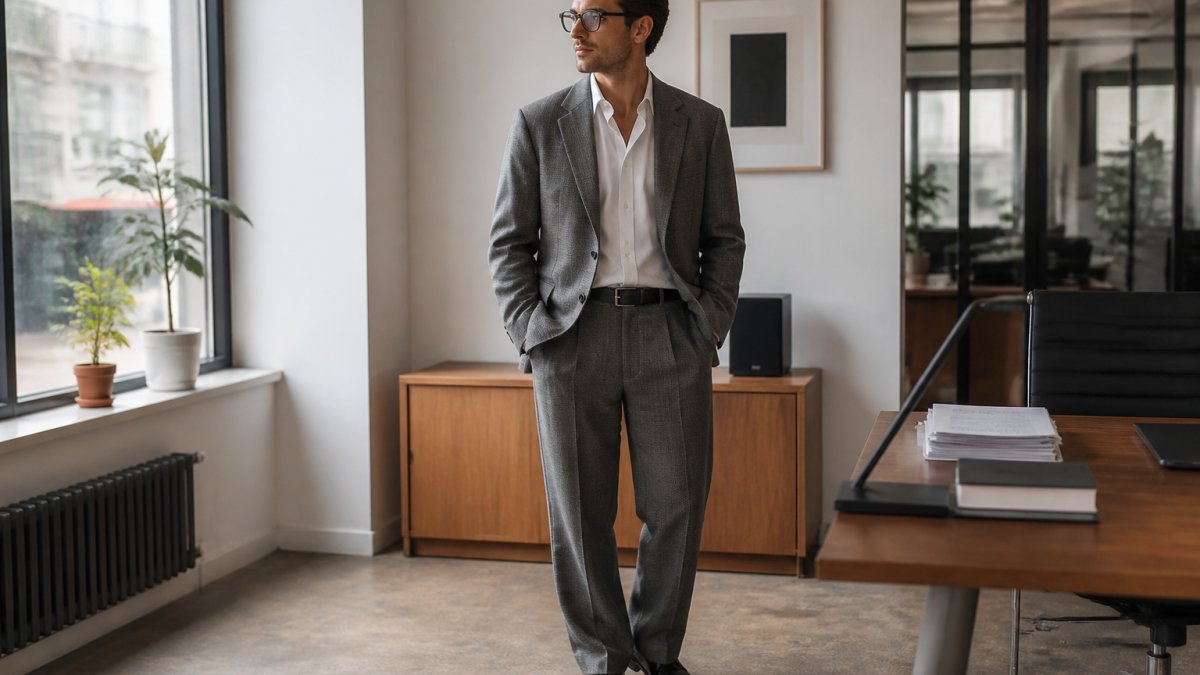
The biggest shifts in 2026 are relaxed tailoring, vintage formal aesthetics, and textured fabrics. Straight-legged trousers, monochromatic color palettes, and technical jacket integration dominate the landscape. Proper proportions matter more than ever, oversized or overly slim silhouettes are out. Layering with quarter-zips and utility overshirts creates modern elegance while maintaining formal structure.
How do I choose the right colors for formal wear in 2026?
Neutral color palettes are essential for 2026 formal styling. Stick to classic blacks, grays, navy, and whites as your foundation. Monochromatic looks, single-color outfits with textural contrast, create sophisticated, modern elegance. Add depth through fabric texture rather than bold color choices. This approach works for both traditional formal events and non-traditional settings where you want to look polished without appearing overdressed.
What accessories are essential for men's formal wear in 2026?
Statement jewelry has become acceptable in modern formal wear. A quality tennis bracelet or twisted rope chain adds sophistication without overwhelming your outfit. Keep other accessories minimal, a classic watch, leather belt, and dress shoes in neutral tones. The key is letting textured fabrics and proper proportions do the heavy lifting. Accessories should complement, not dominate, your formal silhouette.
How do I transition from semi-formal to full formal styling?
Semi-formal allows more relaxation in fit and fabric choice. To move to full formal, tighten your silhouette with properly proportioned trousers, add structured jackets, and eliminate casual elements like textured polos. Replace layered utility pieces with clean, tailored layers. Switch to monochromatic palettes and invest in technical fabrics that maintain structure. The difference lies in precision, formal wear demands exact fit and minimal visual noise.


