


Table of Contents
- Understanding Ethical Clothing and Why It Matters
- How to Spot Greenwashing in Fashion
- Essential Ethical Clothing Certifications to Look For
- How to Find Ethical Clothing Brands That Match Your Values
-
Finding Affordable Ethical Clothing Without Compromise
- Strategy 1: Calculate Cost Per Wear Before You Buy
- Strategy 2: Shop Secondhand and Resale Deliberately
- Strategy 3: Time Your Purchases to the Retail Calendar
- Strategy 4: Mix Ethical Basics With Conventional Fillers
- Strategy 5: Budget for Repair and Alteration
- Strategy 6: Use a Wardrobe Audit to Stop Overbuying
- Building Your Ethical Wardrobe: Practical Strategies
- Common Mistakes When Shopping for Ethical Clothing Alternatives
- Frequently Asked Questions
Last Updated: October 6, 2026
Understanding Ethical Clothing and Why It Matters
Ethical clothing alternatives are garments produced with consideration for environmental impact, worker welfare, and fair labor practices. We recognize shoppers increasingly want to know where their clothes come from, a genuine demand for supply chain transparency.

Choosing ethical clothing alternatives supports brands prioritizing sustainable materials, safe working conditions, and fair wages, reducing harm to ecosystems and yielding garments that last longer with less waste.
The challenge is knowing which brands deliver. Greenwashing is rampant, companies slap eco-friendly labels on products without meaningful change.
How to Spot Greenwashing in Fashion
Greenwashing means a company markets itself as environmentally friendly or socially responsible without substantive proof, often using vague terms like "eco-friendly" or "natural" without certification.
Real ethical brands answer specifics: Where are materials sourced? Who manufactures the clothing? What certifications do they hold? Greenwashing brands keep details fuzzy, avoiding concrete supply chain data.
Look for these red flags:
- No information about where or how items are made
- Unverifiable claims like "100% sustainable" with no supporting documentation
- Expensive prices paired with claims of ethical production (high cost doesn't guarantee ethics)
- Heavy marketing around one small initiative while ignoring larger environmental impacts
- Vague terms without third-party certification
Legitimate ethical brands often cost more because they invest in fair wages, quality materials, and transparent operations, and they willingly share factory locations and sourcing.
Essential Ethical Clothing Certifications to Look For
Third-party certifications are your best defense against greenwashing: an independent organization verifies the claims.
Fair Trade Certified means workers received fair wages in safe conditions.
Cradle to Cradle focuses on product design and manufacturing, ensuring materials can be recycled or safely returned to nature.
OEKO-TEX Standard 100 certifies textiles are free from harmful substances, identifying clothing made without toxic dyes or finishes.
When shopping for ethical clothing alternatives, prioritize items with multiple certifications.
How to Find Ethical Clothing Brands That Match Your Values
Finding ethical clothing brands is only half the job, what you buy must also fit and flatter, because a garment you never wear is waste no matter how responsibly it was made.
Step 1: Rank Your Priorities Before You Browse
Ethical fashion covers several distinct concerns, and almost no brand leads on all of them. Decide which two or three matter most:
- Labor and wages, look for Fair Trade Certified, SA8000, or published factory lists with named suppliers.
- Materials and chemicals, look for GOTS, OEKO-TEX Standard 100, or bluesign.
- Climate and circularity, look for Cradle to Cradle, published carbon data, or take-back and repair programs.
- Animal welfare, look for certified animal-free materials or documented wool and leather sourcing.
Score each brand against only those three, avoiding paralysis.
Step 2: Vet the Brand in Under Ten Minutes
A quick, repeatable check:
- Open the brand's sustainability or impact page. If it does not exist, that is your answer.
- Look for a named factory list. Vague phrases like "our partners overseas" are a red flag; specific factory names and locations are a green one.
- Cross-check certifications on the certifier's own site, not just the brand's marketing page.
- Search the brand name plus "greenwashing" or "labor complaint" to surface critical coverage.
- Check whether the brand publishes a repair or take-back program, a signal it expects clothes to last.
B Corp public directory of certified companies GOTS certified supplier database
Step 3: Run the Fit Checks That Actually Predict Wear
Before buying, measure yourself against the brand's size chart, not your usual fast-fashion size, which is meaningless across brands.
Take four measurements:
- Bust or chest at the fullest point.
- Natural waist at the narrowest point, usually just above the navel.
- Hip at the fullest point, roughly 8 inches below the waist.
- Inseam from crotch to where you want the hem to fall.
Then check these garment-specific fit points:
- Torso length. Long torso: look for tops with a longer body length (typically 24-26 inches for a women's medium) and higher-rise bottoms. Short torso: cropped or tucked styles balance proportions better than long tunics.
- Rise. Measure from your natural waist to where you want the waistband to sit. High-rise (10-12 inches) elongates short legs; mid-rise (8-9 inches) suits average proportions; low-rise flatters long torsos.
- Shoulder seam placement. The seam should sit at the edge of your shoulder bone. If it hangs past, the garment looks oversized regardless of labeled size.
- Sleeve length. For long sleeves, the cuff should reach the wrist bone. Petite frames often need sleeves shortened 1-2 inches; tall frames may need them lengthened.
- Hem length. Skirts and dresses: mini ends mid-thigh, midi between knee and mid-calf, maxi at or just above the ankle. Showing the ankle creates a longer visual line, which is why a slightly cropped pant often reads as more flattering than a full-length one that pools.
Step 4: Budget for Tailoring
Most off-the-rack garments are cut for an average few people match. A tailor can hem pants, take in a waist, shorten sleeves, or adjust a shoulder for a modest fee. A shirt that fits perfectly after alteration beats one that never quite works.
Prioritize alterations: (1) hem length, (2) waist take-in, (3) sleeve length, (4) shoulder adjustment. Shoulder work is the most expensive and hardest to get right, if a garment's shoulders are wrong, return it rather than alter it.
Step 5: Build a Shortlist You Can Reuse
Once a brand passes your vetting and fits well, save it. Keep a running note of the brand, size, style, and fit, over time this becomes your personal size chart across brands.
Finding Affordable Ethical Clothing Without Compromise
The perception that ethical clothing must be expensive is partly true but incomplete. Ethical production costs more than exploitative fast fashion, because fair wages, safer factories, and better materials aren't free. But the relevant number is cost per wear: a garment worn 100 times at $80 costs $0.80 per wear, while a $15 fast-fashion item worn five times before it pills costs $3.00 per wear.
High Waist A-Line Corduroy Skirt for Women →
Strategy 1: Calculate Cost Per Wear Before You Buy
Before any purchase, estimate how many times you'll realistically wear the item over two years, then divide price by that number. Under roughly $1.00 per wear is strong value; over $5.00 is a signal to reconsider.
Strategy 2: Shop Secondhand and Resale Deliberately
Resale is the fastest way to buy ethical brands at a fraction of retail:
- Consignment and thrift stores, best for one-off finds; inventory is unpredictable, so go often.
- Online resale platforms, best for specific brands and sizes. Search by brand name plus your size, and set saved searches.
- Brand-run resale programs, several outdoor and denim brands operate used-gear marketplaces, meaning authenticated items and easier returns.
When buying secondhand, request measurements rather than trusting the labeled size. Sellers often list flat-lay measurements (pit-to-pit, waist, inseam) you can compare against your own numbers from the fit checks above.
Strategy 3: Time Your Purchases to the Retail Calendar
Ethical brands follow the same seasonal markdown rhythm as mainstream retailers, but sales are smaller and shorter:
- End of season, winter coats and knits discount deepest in late winter; summer dresses and linen in late summer.
- Holiday and post-holiday, many brands run their largest promotions between late November and early January.
- Newsletter sign-ups, most ethical brands offer a first-order discount and announce sales to subscribers first.
Strategy 4: Mix Ethical Basics With Conventional Fillers
You don't need every garment certified. The highest-leverage ethical purchases are the pieces you wear most: jeans, t-shirts, underwear, and outerwear. Fill trend-driven or rarely worn pieces with conventional or secondhand items, concentrating spending where quality matters most.
Strategy 5: Budget for Repair and Alteration
A repair is almost always cheaper than a replacement. Learning two skills, replacing a button and mending a seam, extends the life of nearly everything you own. For structural issues like a broken zipper or torn lining, a local tailor or cobbler can fix it for a fraction of a new item's cost.
Strategy 6: Use a Wardrobe Audit to Stop Overbuying
The cheapest ethical garment is the one you don't need to buy. Once a season, sort your closet into three piles: wear often, wear rarely, never wear. The "never wear" pile tells you what to stop buying; the "wear often" pile tells you what's worth spending ethically on.
Building Your Ethical Wardrobe: Practical Strategies
Building an ethical wardrobe is gradual, not overnight.
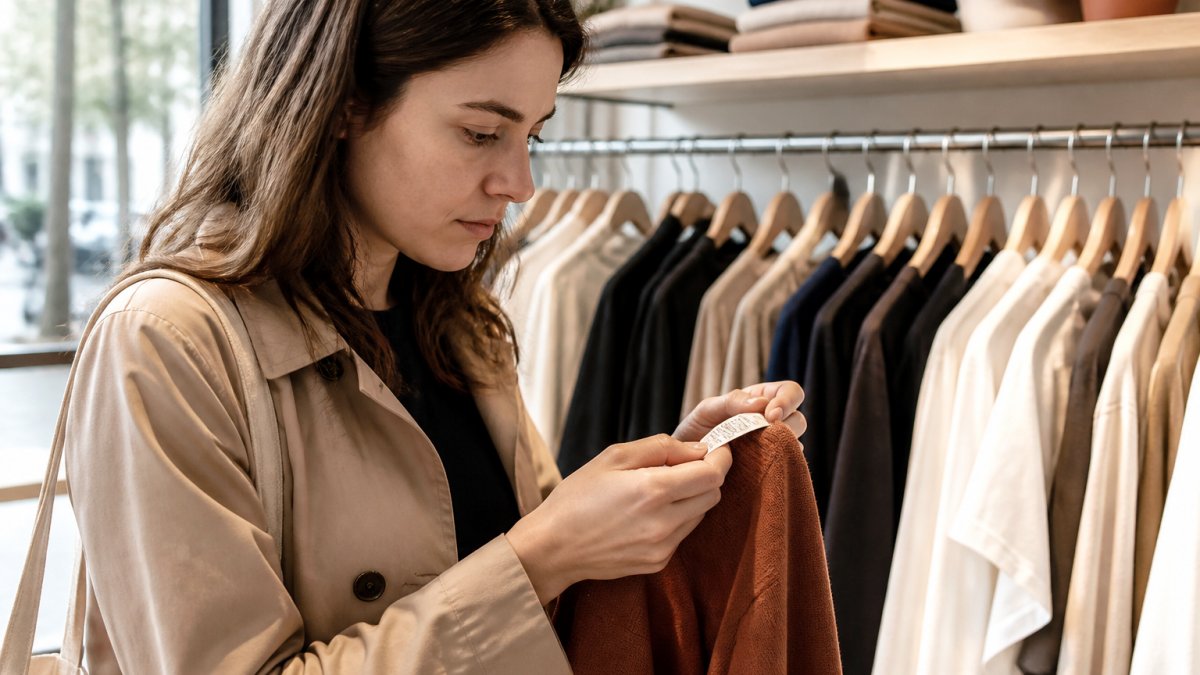
Create a capsule foundation with neutral, versatile pieces. Basics in black, white, gray, and navy form the backbone of most outfits.
Invest in quality over quantity. One well-made pair of ethical jeans outperforms three cheap pairs.
Build around pieces you love.
Plan seasonal transitions.
Track your purchases, what you buy, when, and how often you wear it. This reveals your actual preferences and prevents repeat mistakes.
Common Mistakes When Shopping for Ethical Clothing Alternatives
Most shoppers make predictable mistakes when transitioning to ethical clothing. Recognizing them helps you avoid wasted money.
The biggest mistake is buying ethical clothing without considering fit and personal style.
Many assume higher price means better quality.
Another error is abandoning your entire wardrobe at once, which creates financial strain and poor choices under pressure.
Some shoppers get caught in perfectionism, refusing anything without perfect certifications.
Underestimating garment care also trips up ethical shoppers.
Building an ethical wardrobe reflects your values while supporting brands committed to responsible production.
Frequently Asked Questions
How can I tell if a clothing brand is actually ethical or just greenwashing?
Check for third-party certifications like Fair Trade, GOTS, or B Corp status on the brand's website. Look for specific details about where and how items are made, not vague claims about sustainability. Ethical brands publish transparency reports and disclose factory locations. If a brand uses words like 'eco-friendly' or 'sustainable' without backing them up with certifications or detailed sourcing information, it's likely greenwashing. Visit the brand's website and look for a dedicated sustainability page with concrete data.
What certifications should I look for when shopping for ethical clothing?
The most reliable certifications are Fair Trade Certified (ensures fair wages and working conditions), Global Organic Textile Standard (GOTS, for organic materials), and B Corp Certified (verifies overall business ethics). Bluesign and OEKO-TEX certify chemical safety in manufacturing. Look for these logos on product tags or the brand's website. Brands displaying multiple certifications typically have stronger ethical practices than those with none or just vague claims about sustainability.
Is secondhand clothing more ethical than buying new?
Secondhand clothing reduces demand for new production, which means less water use, fewer chemicals, and reduced carbon emissions. Buying used also diverts items from landfills. However, secondhand shopping works best as part of a broader strategy. If you need new items, prioritize ethical brands with certifications. Combining secondhand purchases with selective new purchases from certified ethical brands creates the most sustainable wardrobe approach without forcing you to shop exclusively used.
How can I find affordable ethical clothing without spending a fortune?
Start with secondhand platforms and thrift stores to stretch your budget further. Look for ethical brands offering sales or capsule collections with fewer pieces. Shop end-of-season sales from certified brands. Mix investment pieces from ethical companies with affordable basics from retailers committed to transparency. Check MixVanta for clothing options that balance style with value.


