


Table of Contents
- What Makes Kitchenware Sustainable
- Evaluating Sustainable Kitchen Utensils
- Identifying Non-Toxic Cookware
- Choosing Plastic-Free Kitchen Essentials
- Reusable Food Storage Solutions
- How to Spot Greenwashing and Make Informed Choices
- Building Your Sustainable Kitchen Step by Step
- Frequently Asked Questions
Last Updated: October 6, 2026
What Makes Kitchenware Sustainable
Sustainable kitchenware is cookware and food storage made from materials that minimize environmental harm, renewable resources, materials that break down naturally, or items that last for decades.
Three things separate sustainable kitchenware from the rest: the materials used, how long the product lasts, and what happens when you're done with it.
Most sustainable kitchenware falls into one of these categories:
- Natural materials, bamboo, wood, ceramic, glass, stainless steel
- Reusable alternatives, cloth wraps instead of plastic film, metal utensils instead of disposable ones
- Long-lasting design, items built to last years or decades, not months
- Non-toxic coatings, free from harmful chemicals that leach into food or water
Sustainable kitchenware benefits your family and the environment. It often costs more upfront but saves money over time because it doesn't need constant replacement.
Evaluating Sustainable Kitchen Utensils
The best sustainable kitchen utensils won't break, chip, or degrade quickly. But "look for wood, bamboo, stainless steel, or silicone" isn't enough, use the checks below to compare specific utensils instead of trusting a material label.
Start with the material, then pressure-test the claim
- Solid wood or bamboo. One piece, no glue lines, no veneer. Run your thumbnail across the grain: if it dents easily, it's a soft species that will scar. Bamboo is denser and more water-resistant than most softwoods, but still needs oiling.
- Stainless steel. Look for 18/8 or 18/10 on the packaging. Those numbers describe the chromium and nickel content, and they're the difference between a whisk that survives decades and one that pits. Avoid unmarked "stainless" utensils.
- Silicone. Food-grade silicone is heat-stable and won't scratch nonstick pans. Check the temperature rating; most quality silicone is rated to at least 400°F. If it smells strongly of plastic out of the box, return it.
- Composites and "bamboo fiber." These are usually bamboo powder bound with melamine or another resin. They look sustainable but often can't be composted and may not survive high heat. Treat them as plastic, not as wood.
Fit checks you can do in the store or at home
- Balance point. Hold the utensil at the handle's midpoint. A well-made spoon balances there without tipping; if the head drags the handle down, your wrist will fatigue during long cooking sessions.
- Handle length vs. your pot. The handle should be long enough that your knuckles clear the rim of your tallest pot. Short handles are the most common reason people reach for plastic tongs instead.
- Heat transfer. Metal handles conduct heat; wood and bamboo don't. A bare stainless handle gets uncomfortable after minutes over a simmering pot, look for a silicone grip or an all-wood design.
- Edge thickness. Thin edges scrape the pan clean; thick edges push food around. For a spatula, you want a flexible but not floppy blade. For a spoon, a shallow bowl is more versatile than a deep one.
- Finish. Food-safe oil or beeswax finishes are common on quality wood. A thick, glossy lacquer can chip into food and signals low-grade wood.
Care that actually extends life
- Hand-wash wood and bamboo. Dishwashers dry them out and cause cracking.
- Re-oil wooden utensils with food-grade mineral oil or a beeswax blend every few weeks, or whenever the surface looks pale and dry.
- Don't leave wooden spoons sitting in a pot of tomato sauce or anything acidic; the acid etches the surface and traps odors.
- Stainless steel is dishwasher-safe, but dry it promptly if your water is hard, or you'll get mineral spots.
A realistic comparison
A solid bamboo spoon used a few times a day, hand-washed and oiled monthly, commonly lasts several years. A cheap plastic spoon in the same rotation often warps, stains, or snaps within a year. The math favors the bamboo, but only if you actually do the oiling. If you won't, stainless steel is the lower-maintenance choice.
Test the utensil in your hand before buying if you can. Does it feel solid? Does the handle stay cool? These details matter more than marketing language.
Identifying Non-Toxic Cookware
Non-toxic cookware means pans and pots that don't release harmful chemicals into your food. Many conventional nonstick pans use PTFE coatings, and older formulas used PFOA as a processing aid. PFOA has been phased out of U.S. manufacturing, but PTFE is still common and can release fumes if overheated past roughly 500°F. That's why "nonstick" and "non-toxic" aren't the same claim.
What each material actually does
- Stainless steel. Inert, doesn't leach, works on gas, electric, and induction. It's not nonstick, so you'll need fat and the right heat. Clad construction (an aluminum or copper core between steel layers) heats more evenly than a single steel layer.
- Cast iron. Seasoned cast iron builds a natural nonstick surface over time and adds a small amount of iron to food, which matters if you're anemic. It's heavy, reacts with acidic foods if the seasoning is thin, and needs drying immediately after washing.
- Carbon steel. Similar to cast iron but lighter and faster to heat. Popular in restaurant kitchens for the same reason.
- Ceramic-coated (sol-gel) pans. These use a mineral-based coating rather than PTFE. They're genuinely nonstick at first, but the coating is thin and typically degrades within one to three years, especially with metal utensils or high heat.
A decision framework by cooking style
| If you mostly... | Reach for |
|---|---|
| Sear, brown, and roast | Cast iron or carbon steel |
| Simmer sauces and acidic dishes | Stainless steel or enameled cast iron |
| Cook eggs and delicate fish | Well-seasoned carbon steel or a ceramic-coated pan you're willing to replace |
| Bake and roast in the oven | Glass, ceramic, or enameled cast iron |
| Cook on induction | Magnetic stainless steel, cast iron, or carbon steel (aluminum and glass won't work) |
Questions to ask before you buy
- Does the manufacturer name the coating material, or just say "nonstick"?
- Is there a third-party certification, or only the brand's own claim?
- What's the maximum recommended temperature, and does it match how you cook?
- How does the pan behave with acidic foods like tomatoes or vinegar?
The trade-off nobody mentions
Every nonstick surface is a consumable. PTFE, ceramic sol-gel, and even a cast iron seasoning layer all wear down with use. The difference is what happens next: a worn stainless or cast iron pan can be restored, while a worn ceramic-coated pan usually can't. Choose a material you can re-season or scrub back to bare metal if you want cookware that outlives you; ceramic-coated is reasonable if you want convenience and will replace the pan every few years.
Stainless steel is the most versatile option for most home cooks. Cast iron requires maintenance but lasts a lifetime. Ceramic-coated pans feel nonstick without the chemicals, but the coating wears out after a few years. Match the pan to how you actually cook, not the label.
Choosing Plastic-Free Kitchen Essentials
Plastic-free kitchen essentials replace single-use plastics with reusable alternatives for food storage, wrapping, and preparation, eliminating the constant cycle of buying and throwing away plastic.
Common plastic-free swaps include:
- Beeswax food wraps, Replace plastic wrap for covering bowls and wrapping sandwiches
- Glass containers, Replace plastic storage boxes for leftovers and meal prep
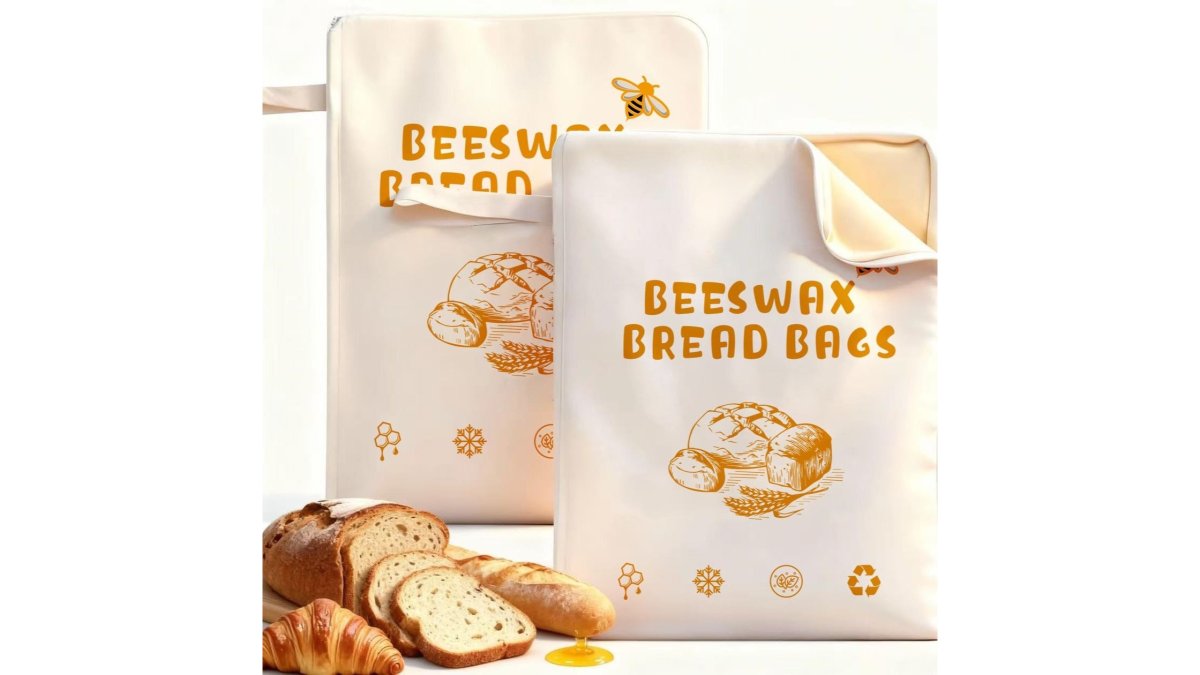
- Cloth bags, Replace plastic produce bags and bread bags
- Wooden cutting boards, Replace plastic boards that harbor bacteria
- Metal straws and utensils, Replace single-use plastic versions
The Original Ecological Beeswax Food Storage Cloth from MixVanta is a practical example.

Start small. Pick one or two plastic items you use daily. Replace them with sustainable alternatives. Once that feels normal, replace the next item.
Reusable Food Storage Solutions
Reusable food storage solutions keep your food fresh while eliminating plastic waste.
Glass containers work best for:

- Leftovers in the refrigerator
- Meal prep and batch cooking
- Dry goods like rice, pasta, and flour
- Items you want to see at a glance
Cloth bags work best for:
- Fresh bread and baked goods
- Produce from the farmer's market
- Snacks you pack for travel
- Items you want to keep at room temperature
Beeswax wraps work best for:
- Covering bowls of food
- Wrapping sandwiches and snacks
- Protecting cheese and cut vegetables
- Quick storage when you're in a hurry
The Cotton Linen Bread Bag from MixVanta keeps bread fresh with breathable fabric, secured by a snap closure and drawstring.
For longer-term storage, the Organic Cotton Bread Bag and Basket holds multiple loaves and doubles as kitchen décor.
Match the storage method to what you're storing: bread needs airflow, leftovers need airtight sealing, and fresh vegetables need moisture control.
How to Spot Greenwashing and Make Informed Choices
Greenwashing happens when a company makes environmental claims without backing them up, an "eco-friendly" label on a product made from unsustainable materials.
Red flags for greenwashing include:
Original Ecological Beeswax Food Storage Cloth →
- Vague language, "Natural," "green," or "eco" without specifics
- No third-party certification, Claims made only by the company, not verified by outside organizations
- Missing material details, The company won't say what the product is made from
- Hidden sourcing, No information about where materials come from
- Pretty packaging, Lots of green colors and leaf images to look environmental
Real sustainable products tell you exactly what they're made from, explain the manufacturing process, show certifications from recognized organizations, and are honest about limitations and care requirements.
When evaluating a product, ask these questions:
- Can I find the material composition easily?
- Does the company explain why this material is sustainable?
- Are there third-party certifications on the packaging?
- Does the price match the quality, or is it suspiciously cheap?
- Can I find reviews from actual users?
Research from the Environmental Protection Agency on sustainable practices shows that informed consumers drive market change. When you ask questions and demand transparency, companies respond.
Building Your Sustainable Kitchen Step by Step
Start with one change, then add more over time.
Month 1: Food storage
Replace plastic wrap and bags with reusable alternatives.
Month 2: Cooking tools
Replace plastic utensils with wooden or bamboo versions.
Month 3: Cookware evaluation
Look at what you already own.
Month 4: Bread and baked goods
If you buy bread regularly or bake at home, get a cloth bread bag.

Month 5: Daily habits
Bring reusable bags to the grocery store. Use cloth napkins instead of paper.
Month 6 and beyond
Keep going.
The goal isn't perfection, it's progress.
According to research on consumer purchasing habits and environmental impact, small individual choices create large-scale change when millions of people make them.
Frequently Asked Questions
What materials are best for sustainable kitchenware?
Look for natural, durable materials like stainless steel, bamboo, wood, organic cotton, and beeswax-coated fabrics. These materials resist degradation, can be used for years, and biodegrade or recycle responsibly at end of life. Avoid single-use plastics and synthetic materials that break down into microplastics. Check product labels for certifications like FSC (for wood) or GOTS (for organic cotton) to verify material claims.
How can you tell if kitchenware is sustainably made?
Check for third-party certifications, transparent sourcing information, and durability guarantees. Sustainable kitchenware often includes details about manufacturing practices, material origins, and end-of-life recyclability. Read customer reviews for longevity feedback, items that last 5+ years are more sustainable than cheaper alternatives replaced annually. Brands that disclose their supply chain and labor practices tend to prioritize sustainability more seriously.
How do you avoid greenwashing when buying kitchen products?
Greenwashing uses vague terms like 'eco-friendly' without proof. Instead, look for specific certifications (B Corp, Fair Trade, FSC), measurable sustainability claims, and transparent company policies. Avoid products making broad environmental promises without backing them up with data or third-party verification. Check if the brand discloses material sourcing, manufacturing locations, and waste reduction practices. Genuine sustainable kitchenware brands explain exactly how and why their products reduce environmental impact.
Is reusable kitchenware always more sustainable than disposable products?
Generally yes, but only if you use it repeatedly. Reusable items like beeswax food storage cloths or cotton bread bags become more sustainable after 50-100 uses, offsetting their manufacturing impact. The key is durability and actual use, a reusable item discarded after one year may not be more sustainable than a disposable alternative. Choose reusable kitchenware you'll genuinely use for years, and pair it with proper care to maximize its lifespan.
Choosing sustainable kitchenware doesn't have to be complicated or expensive. Start with one reusable alternative to plastic. Use it. Notice how it works. Then add the next item. At MixVanta, we stock products designed for this exact journey. The Original Ecological Beeswax Food Storage Cloth and our cotton bread bags are affordable ways to eliminate plastic waste. Shop our sustainable kitchen collection today and take the first step toward a kitchen that works for your family and the planet.


