


Last Updated: October 24, 2026
Quick Summary
Affordable wearables are worth it for health tracking if you stick to the metrics budget sensors get right: step count, sleep duration, and resting heart rate. Check phone compatibility, real battery life, and subscription terms before buying, since recurring fees can erase the savings.
- Budget sensors handle steady-state heart rate well but struggle with fast-changing readings during interval training.
- Many budget bands lack built-in GPS and rely on your phone's location instead.
- A device rated for a week may last two or three days with heart-rate tracking on.
- Add the device price to every recurring charge to find the real total cost.
- Wear the band for a full week with your intended features on before committing.
Table of Contents
- What Affordable Wearables Actually Track Well
-
How to Choose a Fitness Tracker Without Overpaying
- 1. Decide which metrics you will actually act on
- 2. Check phone compatibility before you buy
- 3. Confirm battery life in real terms
- 4. Look for water resistance if you sweat or swim
- 5. Read the subscription terms before checkout
- 6. Weigh comfort and fit, not just specs
- 7. Confirm long-term support and data portability
- Fitness Tracker vs Smartwatch: Which Do You Actually Need?
- Finding the Best Cheap Fitness Trackers by Health Priority
- Why a Fitness Tracker Without Subscription Wins on Total Cost
- What Budget Health Trackers Still Can't Tell You
- Picking Your First Affordable Wearable on MixVanta
- Frequently Asked Questions
What Affordable Wearables Actually Track Well
Affordable wearables for health tracking have one honest selling point: the core metrics are genuinely reliable. Step count, sleep duration, and resting heart rate are the three measurements budget devices get close to right, because the sensors behind them are cheap and mature.
We sell these devices at MixVanta, and the pattern is consistent: shoppers who expect a budget band to count steps and log sleep are rarely disappointed, while those expecting a clinical instrument usually are.
Step Count, Sleep, and Heart Rate: The Reliable Core
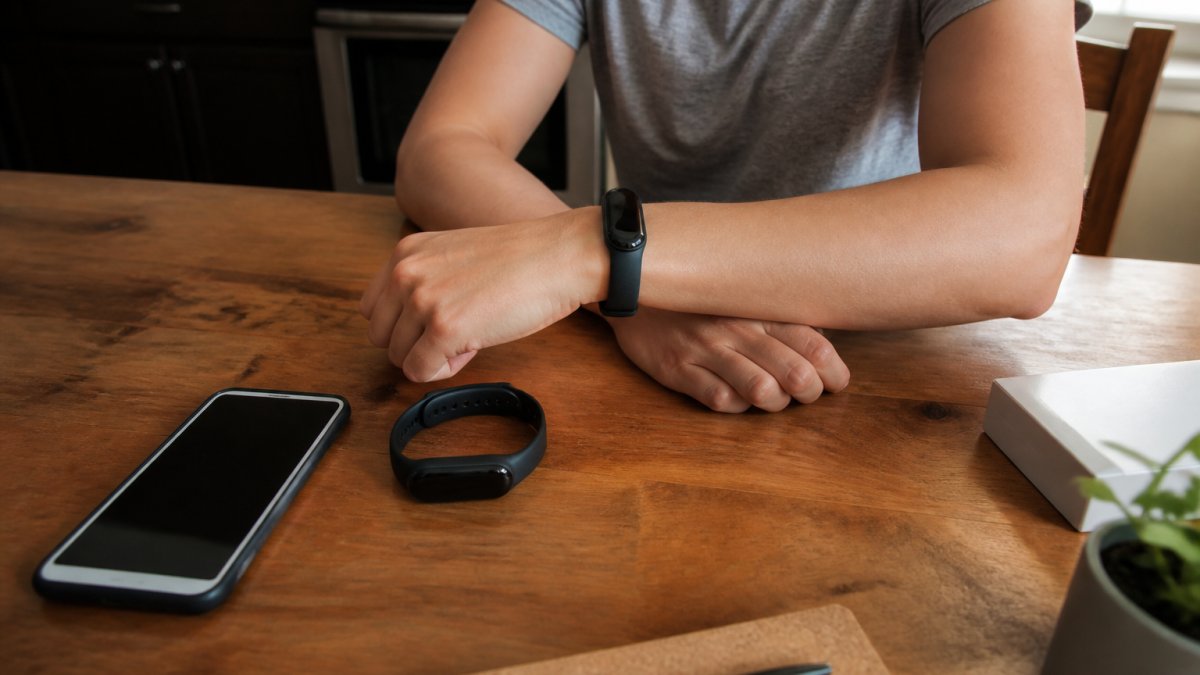
A fitness tracker is a wrist-worn device that uses motion sensors and light-based heart-rate sensors to log activity, sleep, and pulse data. The reliable core of that job is narrower than the packaging suggests.
- Step count: Accelerometers are accurate enough for daily trends. Look at weekly averages, not single days.
- Sleep duration: Total time asleep tracks reasonably well. The stage breakdown is an estimate, not a measurement.
- Resting heart rate: Optical sensors handle steady-state readings well, especially when the band sits snug.
A common mistake is judging a cheap tracker by a single bad reading. Trends over two to three weeks tell you far more than any one morning's number.
Where Budget Sensors Fall Short
Watch out: budget sensors struggle with fast-changing heart rate. Interval training, heavy lifting, and anything with rapid wrist movement produce noisy readings, and the device will often report a number that looks plausible but lags reality.
GPS is the other gap. Many budget bands lack built-in GPS and rely on your phone's location instead, which means you carry the phone on every run.
How to Choose a Fitness Tracker Without Overpaying
Choosing well comes down to a sequence of checks, and the order matters because each one can eliminate a device before you waste time on the next.
1. Decide which metrics you will actually act on
Steps, sleep duration, and resting heart rate cover most people. If you already know you will ignore a stress score, do not pay for one. Write down the two or three numbers you would change your behavior over, then check that the device surfaces them on the watch face or the app home screen without digging.
2. Check phone compatibility before you buy
This is the check budget shoppers skip and later regret. Confirm three things: your phone's operating-system version, whether the companion app is in your app store, and whether the device needs constant Bluetooth or can store data and sync later. A band that pairs poorly with your phone is a return waiting to happen. Also confirm the app supports the data export format you want, because a device that traps your history in a proprietary dashboard is hard to leave later.
3. Confirm battery life in real terms
Marketing claims assume ideal conditions. Real-world battery life drops with continuous heart-rate monitoring, GPS use, and bright screens, a device rated for a week with heart-rate tracking off may last two or three days with it on. Look for the rated figure with your intended features enabled, and check whether the charger is proprietary, since a lost cable can sideline a working device.
4. Look for water resistance if you sweat or swim
This is the spec most budget shoppers skip. A depth rating is not the same as swim-proof. If you swim, confirm the device is rated for swimming rather than only splashes, and check whether the manufacturer recommends rinsing the band after chlorinated or salt water.
5. Read the subscription terms before checkout
The app is where budget devices hide recurring costs. Some charge monthly for history beyond a short window, for guided programs, or for advanced sleep and recovery insights. Add the device price to every recurring charge you expect over the years you plan to keep it. That total, not the shelf price, is the real cost. Treat any subscription as a separate purchase decision.
6. Weigh comfort and fit, not just specs
Comfort matters more than spec sheets admit. A lightweight, slim design means you will actually wear it overnight, and overnight wear is the only way sleep tracking works. Check the band's wrist-size range before ordering, a band that only fits a narrow range will read badly or come off. If you have sensitive skin, look for hypoallergenic bands or easy swaps to a fabric strap.
7. Confirm long-term support and data portability
A cheap device is not a bargain if the app stops receiving updates or the company stops supporting the hardware. Before buying, check how long the manufacturer has supported previous models, whether the app has been updated recently, and whether you can export your data.
If you want to stretch the life of a budget device, our guide on how to maintain cheap tech for longevity covers the habits that keep inexpensive electronics running. Students and other budget-first buyers may also want our roundup of durable budget friendly electronics for students.
| Priority | What to check | Why it matters |
|---|---|---|
| Sleep insight | Overnight comfort, battery life with heart-rate on | You must wear it to track it |
| Workout tracking | Heart-rate sensor fit, water resistance for swimming | Loose bands read badly |
| Running | Phone-free GPS or confirmed phone-tethered GPS | Budget bands often lack built-in GPS |
| Budget control | Subscription terms, data export | Recurring fees and lock-in erase savings |
| Longevity | App update history, band replaceability | A dead app sidelines a working device |
Fitness Tracker vs Smartwatch: Which Do You Actually Need?
A fitness tracker focuses on health metrics with a simple display and long battery life. A smartwatch adds apps, notifications, and often a larger screen, at a higher price and with more frequent charging. The decision gets clearer when you look at the trade-offs most roundups skip: what each form factor costs you over time, what it does to your data, and whether it fits your wrist and your phone.
The real trade-offs, not the marketing ones
- Battery and charging cadence. A simple band can run for days or weeks between charges; a full smartwatch with an always-on display often needs charging every day or two. If you want overnight sleep tracking, a device that needs a daily charge forces a choice between wearing it to bed and wearing it tomorrow.
- Screen size versus readability. A larger screen is easier to read at a glance, which matters for older users or anyone with low vision. A small band screen can be hard to read outdoors, so check brightness and text size before buying.
- App and notification load. A smartwatch pulls notifications, which some people find useful and others find distracting. A tracker that only shows health data keeps the wrist quiet.
The screenless middle ground
The middle ground is a screenless tracker, which many budget shoppers overlook. It logs activity quietly and often lasts longer per charge than anything with a display. The trade-off is checking data in the app rather than on your wrist, and losing on-wrist notifications. For someone whose goal is health tracking rather than wrist computing, that trade is usually worth it.
A compatibility checklist before you pick a form factor
Whichever you choose, confirm these before checkout:
- The device pairs with your phone's operating system and version.
- The companion app is available in your app store and has been updated recently.
- You can export your data if you switch devices later.
- The band or strap is replaceable and fits your wrist size.
- The charger is standard or easily replaceable.
If you want a wider view of what is trending beyond trackers, our roundup of trending health products puts these devices in context. Readers who also want to track strength rather than steps can look at a grip strength trainer that counts reps, which measures effort in a way a wrist band cannot.
Finding the Best Cheap Fitness Trackers by Health Priority
The best cheap fitness trackers depend on which health goal you are chasing, not on which brand tops a generic list.
- Sleep first: prioritize comfort, overnight battery life, and a silent alarm.
- Heart health: prioritize sensor fit and continuous heart-rate monitoring.
- Movement: a basic step counter with a clear mobile app is enough.
If you want a wider view of what is trending beyond trackers, our roundup of trending health products puts these devices in context. Readers who also want to track strength rather than steps can look at a grip strength trainer that counts reps, which measures effort in a way a wrist band cannot.
Why a Fitness Tracker Without Subscription Wins on Total Cost
A fitness tracker without subscription is almost always the better financial choice, and this is the angle most buying guides skip.
The sticker price is only the entry fee.
When you compare options, add up the device price plus every recurring charge you expect to pay.
Privacy belongs in the same conversation. Health data is sensitive, and some apps share anonymized data with third parties.
What Budget Health Trackers Still Can't Tell You
Budget health trackers cannot diagnose anything. They estimate. A wearable health device measures motion and light, then infers meaning from those signals, useful for spotting trends, useless for confirming a medical condition.
This is not a knock on inexpensive devices, it is a limit of consumer health tracking in general.
The same caution applies to calorie tracking. Burn estimates on budget hardware are rough, and treating them as precise leads people to overcorrect.
Picking Your First Affordable Wearable on MixVanta
Your first wearable should be simple, comfortable, and free of recurring fees. Start with a band that tracks steps, sleep, and heart rate, confirm it pairs with your phone, and wear it for a month before deciding you need more.
At MixVanta, we keep the choice straightforward. Our health care category lets you browse wearable options alongside the rest of your household and lifestyle shopping in one place, with free shipping on orders over $70 and a 30-day money-back guarantee if the fit is not right.
Get started with MixVanta and find a tracker that fits your wrist, your goals, and your budget without the extra fees.
Frequently Asked Questions
Are affordable wearables worth it for health tracking?
For step count, sleep duration, and resting heart rate, yes. Budget models handle these basics well enough to spot trends over weeks. What they cannot do is match clinical-grade accuracy for blood oxygen, ECG, or stress scores. If your goal is building daily movement habits and watching sleep patterns, an affordable wearable gives you most of the value at a fraction of the cost of a flagship device.
Do affordable fitness trackers work without a subscription?
Many do. A fitness tracker without subscription still shows your steps, heart rate, sleep stages, and workout history in its companion app. Some brands lock advanced insights, coaching, or long-term data history behind a monthly fee, so check the app's free tier before buying. If you want to avoid recurring charges entirely, prioritize models that advertise full features with no paywall.
What should I look for in a budget health tracker?
Start with battery life of at least five days, water resistance for workouts and showers, and a screen you can read outdoors. Confirm the app works with your phone, since some budget trackers have limited compatibility. Check whether sleep and heart-rate data export or stay locked in the app. Finally, read reviews about strap comfort, because a tracker you take off is a tracker you stop using.
Which affordable fitness trackers monitor sleep and heart rate?
Most fitness bands in the budget range now include continuous heart-rate monitoring and basic sleep tracking with stages. The difference between models is usually how detailed the sleep report is and whether heart-rate data syncs in real time during workouts. Read the product listing carefully for terms like continuous heart rate and sleep stages, and check customer reviews for complaints about inaccurate readings during exercise.
The honest test of any budget wearable is whether you keep wearing it after the novelty fades. Pick one that covers the metrics you will act on, skip the subscriptions, and let the trends build. MixVanta stocks a range of health and lifestyle devices with free shipping over $70, a 30-day money-back guarantee, and fast handling, so you can start tracking without overcommitting.


