


Last Updated: October 23, 2026
Quick Summary
How to keep your dog entertained indoors involves interactive games like hide-and-seek and scent work, puzzle toys that challenge their mind, and a daily enrichment schedule. Mental stimulation prevents boredom-related behaviors like destructive chewing and excessive barking while strengthening your bond through play.
- A 15-minute scent game can tire your dog as much as a 30-minute walk.
- Toy rotation every 3-4 days keeps dogs interested without buying new toys.
- Dogs that receive regular mental stimulation show fewer destructive behaviors and sleep better.
- Supervise fetch and tug games, but puzzle toys need watching only until your dog solves them three or four times.
- Stop play if your dog shows heavy panting, loss of coordination, glazed look, or stress signals like tucked tail.
Table of Contents
- Why Indoor Entertainment Matters for Your Dog
- Indoor Dog Games to Play Daily
- Dog Enrichment Activities That Build Mental Strength
- DIY Dog Puzzle Toys Using Household Items
- Ways to Entertain a Dog Home Alone
- Creating a Structured Daily Enrichment Schedule
- Safety and Supervision During Indoor Play
- Recognizing Signs of Boredom and Overstimulation
- Frequently Asked Questions
Why Indoor Entertainment Matters for Your Dog
Dogs need daily mental stimulation and physical activity, which is why learning how to keep your dog entertained indoors is essential for their wellbeing.
At MixVanta, we know pet owners need practical solutions, and keeping your dog entertained indoors doesn't require expensive equipment or endless time.
Indoor Dog Games to Play Daily
Interactive play engages your dog's instincts to chase, search, and problem-solve. You can use an Interactive Dog Toy Ball during play sessions, its automatic bouncing creates unpredictable movement that dogs naturally chase and investigate, turning playtime into an engaging hunt. Start with 10-15 minute sessions and build from there.
Hide-and-Seek and Find-It Games
Hide-and-seek taps into your dog's hunting instincts. Start by hiding a treat under a blanket while your dog watches, then hide treats in harder spots.
Once your dog gets the idea, try these variations:
- Hide treats in a closed box with a small opening
- Hide toys under cushions on the couch
- Hide treats in different rooms and send your dog to "find it"
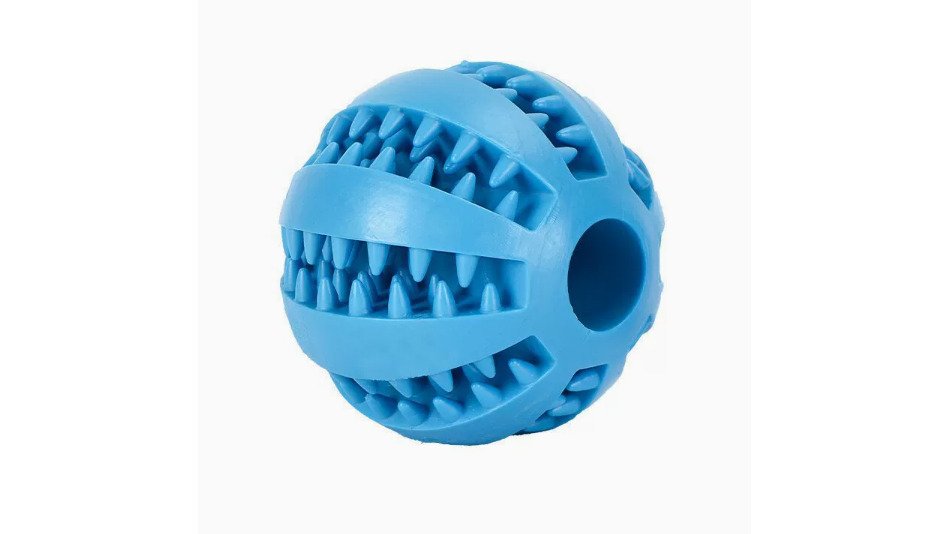
You can also use the Interactive Dog Toy Ball during play sessions.
Scent Games and Nose Work
Dogs experience the world through their nose. Scent games satisfy this drive and suit dogs with lower energy or mobility issues.
Start with simple scent games:
- Place a treat in your closed fist and let your dog sniff it out
- Hide a treat in a tissue and let your dog tear it apart to find it
- Sprinkle treats across a blanket and let your dog root through it
A 15-minute scent game can tire out your dog as much as a 30-minute walk.
Tug and Fetch Indoors
Tug-of-war and fetch work indoors with the right setup.
For tug games:
- Use a sturdy rope toy or tug toy
- Play in an open area away from breakables
- Let your dog win sometimes to keep them motivated
For indoor fetch:
- Use a hallway or large room
- Throw a soft toy or ball down the hallway
- Keep sessions short to avoid crashes into walls
The Pet Dog Rubber Ball Toys For Dogs works well for indoor fetch, durable rubber handles indoor play, and its movement keeps your dog engaged between throws.

Dog Enrichment Activities That Build Mental Strength
Enrichment goes beyond simple play: activities that challenge your dog's brain and satisfy natural instincts.
Puzzle Toys and Food-Dispensing Toys
Puzzle toys make your dog work for food, slowing eating, reducing boredom, and providing mental exercise. The Dog Treat Dispenser combines puzzle play with mealtime, releasing treats as your dog plays, ideal for dogs that eat too fast or need mental engagement.

Types of puzzle toys:
- Treat-dispensing balls that release kibble as your dog plays
- Puzzle boards with hidden compartments
- Snuffle mats where treats hide in fabric folds
The Dog Treat Dispenser combines puzzle play with mealtime, releasing treats as your dog plays, ideal for dogs that eat too fast or need mental engagement.
Start easy and increase difficulty, watching that your dog can solve each puzzle without frustration.
Treat-Based Enrichment and Slow Feeding
Food is a powerful motivator. Use treats to satisfy your dog's natural foraging instincts.
Simple treat enrichment ideas:
- Freeze treats in ice cubes or peanut butter
- Hide treats in toilet paper tubes and crumple the ends
- Stuff a sock with treats and tie it closed
Slow feeders prevent gulping and add mental work to meals.
The Dog Treat Launcher dispenses treats during interactive play, combining physical activity with food motivation, perfect for training sessions or afternoon play.

Toy Rotation to Maintain Engagement
Dogs get bored with the same toys; rotation keeps them fresh.
How toy rotation works:
- Keep 4-5 toys out at a time
- Store the rest away
- Swap toys every 3-4 days
This keeps your dog interested without buying new toys, a toy ignored last month feels brand new when you bring it back.
DIY Dog Puzzle Toys Using Household Items
You don't need expensive toys, common household items work perfectly for DIY puzzle toys.
Obstacle Courses with Chairs and Cushions
Create a simple obstacle course with furniture you already have to build confidence, provide exercise, and engage problem-solving.
Basic obstacle course setup:
- Line up chairs to weave through
- Stack cushions to jump over
- Create tunnels under tables with blankets
Start easy and add complexity gradually, using treats to guide your dog. Keep sessions to 5-10 minutes to avoid frustration.
Snuffle Mats and Blanket Tunnels
Snuffle mats mimic grass and encourage natural foraging; make one from an old towel or blanket.
DIY snuffle mat:
Pet Dog Rubber Ball Toys For Dogs →
- Use an old towel or blanket as the base
- Cut strips of fabric and tie them through the towel
- Hide treats in the fabric strips
Blanket tunnels provide a cozy hideaway and mental stimulation, drape blankets over chairs for your dog to crawl through.
Ways to Entertain a Dog Home Alone
Dogs left alone need activities that keep them occupied and reduce anxiety, preventing destructive behavior and stress.
Play calming music or white noise to mask outside sounds that trigger barking or anxiety.
Try a window perch, some dogs enjoy watching outside activity, providing stimulation without your involvement.
Leave a piece of your worn clothing. The Dog Treat Launcher is ideal for solo play, keeping your dog entertained without human interaction during work hours.
The Dog Treat Launcher is ideal for solo play, keeping your dog entertained without human interaction during work hours.
Creating a Structured Daily Enrichment Schedule
Consistency matters. A daily schedule ensures regular mental and physical stimulation.
Sample daily enrichment schedule:
| Time | Activity | Duration |
|---|---|---|
| Morning | Interactive play (fetch, tug) | 15 minutes |
| Midday | Puzzle toy or treat dispenser | 20 minutes |
| Afternoon | Scent game or hide-and-seek | 10 minutes |
| Evening | Training practice or gentle play | 15 minutes |
Adjust timing to your schedule and your dog's energy level.
Mornings should be more active and physical; afternoons calmer puzzle work; evenings gentle play or training.
Track what your dog enjoys most, some prefer scent work, others physical play.
Safety and Supervision During Indoor Play
Indoor play is safer than the dog park but not risk-free. Slippery floors, swallowed toy parts, and over-arousal cause most reported injuries, so control the risks before your dog starts moving.
Set Up the Room Before the Dog Enters
Walk the play area at your dog's eye level and remove anything that can be knocked over, chewed, or swallowed. Pre-play checklist:
- Clear breakables from coffee tables and low shelves, and close cabinet doors your dog can nudge open
- Pick up small objects, coins, hair ties, kids' toys, dropped medication, that fit inside a dog's mouth
- Move toxic plants (lilies, sago palms, pothos) out of reach; the ASPCA maintains a searchable list of plants toxic to dogs (Toxic and Non-Toxic Plant List, Dogs)
Slippery flooring is the most underrated hazard, a dog sprinting on hardwood can splay its legs and strain a cruciate ligament or hip. If you can't cover the floor, keep fetch to carpeted rooms or shorten the throw.
Match the Toy to the Dog, Not the Other Way Around
A toy safe for a 70-pound retriever can choke a 10-pound terrier, and a small-dog toy can be swallowed whole by a large one. Two rules cover most of it:
- The toy should be too large to fit entirely inside your dog's mouth without the dog having to work at it
- The toy should be tough enough that your dog cannot tear off and swallow a piece during normal play
Check toys after every session and discard anything with a puncture, loose squeaker, frayed rope end, or ripped seam, squeakers and stuffing are the most common surgical-removal items vets see. Retire rope toys once strands separate.
Supervise by Activity, Not by Habit
Supervision needs vary by activity:
- Fetch and tug: stay in the room. Stop the game if your dog crashes into furniture or starts sliding on turns.
- Puzzle toys and treat dispensers: supervise until you have watched your dog solve the puzzle at least three or four times. Some dogs switch from solving to destroying once the treats stop coming.
- Snuffle mats and blanket games: low risk, but check fabric for holes your dog can chew into.
Know When to Stop
End the session before your dog is exhausted. Stop play and give water if you see:
- Heavy open-mouth panting that does not slow within a minute or two of rest
- Loss of coordination, stumbling, or a wobbly gait
- A glazed look, inability to follow a simple cue, or ignoring a treat
Flat-faced breeds (bulldogs, pugs, French bulldogs, Boston terriers) overheat faster and need shorter, more frequent sessions with longer rest breaks. Puppies and seniors also need shorter sessions, roughly five minutes of active play per month of age, up to twice a day, for puppies, and low-impact play only for seniors with joint issues.
Recognizing Signs of Boredom and Overstimulation
Most owners can spot a bored dog. Far fewer can tell boredom apart from frustration, stress, or over-arousal, and the fix differs for each. Reading the right signal turns a list of activities into a plan that works.
Boredom: Under-Stimulated, Not Distressed
A bored dog is looking for something to do. The behavior starts after idleness and stops when you offer an activity. Common signs:
- Destructive chewing on furniture, shoes, or baseboards, especially when left alone
- Excessive barking or whining that starts after a period of inactivity
- Pacing, restlessness, or following you from room to room
Boredom responds to more enrichment: a puzzle toy, a scent game, a short training session. If the behavior stops when you engage your dog, boredom was the driver.
Frustration: Trying Hard and Failing
Frustration looks like boredom but happens during an activity, not between them, the dog is working at something without payoff. Signs include:
- Giving up on a puzzle and barking at it or pawing it
- Chewing or destroying a puzzle toy instead of solving it
- Whining while staring at a treat dispenser that is not releasing
The fix is to make the puzzle easier, not add stimulation. Step back a difficulty level, show your dog the solution once, and rebuild. A puzzle solved in 30 seconds beats one that ends in frustration.
Overstimulation and Arousal: Too Much, Too Fast
Over-arousal is the opposite problem: the dog is wound up and can't come down, often during or right after vigorous play. Signs include:
- Mounting, humping, or rough body-slamming during play
- Snapping at hands, toys, or the leash
- Zooming, spinning, or frantic running that does not stop on cue
The fix is to lower intensity, not raise it. End the game, move to a calm activity like a snuffle mat or chew, and give your dog quiet space to settle. Repeated over-arousal is a common reason dogs escalate to nipping, so catch it early.
Stress and Anxiety: Not the Same as Boredom
Stress signals are quieter than boredom behaviors and easy to miss. Watch for:
- Lip licking, yawning, and nose licking out of context
- Turning the head away, whale eye (showing the whites of the eyes), or a tucked tail
- Ears pinned back and a lowered body posture
If your dog shows these during an activity, it's too much for now. Back off, shorten the session, and try a calmer version next time. Persistent stress around being left alone is separate from boredom, enrichment helps but doesn't replace addressing separation-related distress directly.
Adapt the Plan to the Dog
The same activity can bore one dog and overwhelm another. Scale by dog:
- Puppies: short sessions, easy puzzles, and lots of sleep. A puppy that gets cranky and bitey during play is usually overtired, not under-stimulated.
- Seniors: low-impact scent games, snuffle mats, and gentle tug. Watch for stiffness after play and shorten sessions if your dog is slow to rise the next day.
- Small dogs: smaller puzzles, lower throws, and toys sized to the mouth. Small dogs tire faster on physical play but can handle longer scent work.
When Enrichment Is Not Enough
If your dog shows persistent distress, destructive behavior only when alone, house soiling after training, nonstop barking all workday, or self-injury like tail chasing and flank sucking, the issue is likely behavioral or medical, not boredom. Enrichment helps manage the day but doesn't replace a vet check or qualified behavior professional.
Frequently Asked Questions
What are some easy indoor games to play with a dog?
Hide-and-seek, find-it games, scent work, and indoor fetch are simple options. Start by hiding treats or toys around your home and encouraging your dog to search. Tug games with rope toys work well too. For more structure, interactive puzzle toys and treat dispensers add mental stimulation. Rotate games daily to keep your dog engaged and prevent boredom from repetition.
How do you mentally stimulate a dog indoors?
Mental stimulation comes from problem-solving activities like puzzle toys, scent games, and food-dispensing toys. Training sessions with new commands, nose work exercises, and rotating toys weekly all challenge your dog's mind. Enrichment activities that engage their natural instincts, hunting, foraging, sniffing, provide the most effective indoor mental stimulation and help prevent boredom-related behavior problems.
How can you keep a puppy entertained inside?
Puppies need shorter, frequent play sessions with varied activities. Use interactive toys like treat launchers and puzzle toys designed for their size. Practice training cues as a game, play gentle tug games, and create simple obstacle courses with household items. Snuffle mats and blanket tunnels encourage natural foraging. Keep sessions to 10-15 minutes and rotate activities to match their developing attention span and energy levels.
What should I give my dog to do while I work from home?
Long-lasting enrichment items work best: puzzle toys, treat dispensers, and interactive balls that keep your dog occupied for hours. The [Pet Dog Rubber Ball Toys For Dogs](https://mixvanta.store/products/pet-dog-rubber-ball-toys-for-dogs-2) offers smart movement modes that encourage chasing and engagement. Pair these with a structured routine, enrichment sessions before you start work help tire your dog mentally. Rotate toys weekly and use treat-dispensing toys during your work hours to maintain engagement without constant interaction.


