


Last Updated: October 31, 2026
Quick Summary
Omnichannel retail shopping gains you real stock visibility, same-day store pickup, cross-channel returns, and consistent pricing across every channel. You give up nothing directly, but the model carries implementation and maintenance costs, and data silos can cause canceled orders or wasted trips when stock counts disagree.
- A data silo is a system that holds information no other system can see.
- An item shown in stock online but unavailable at pickup is the most common omnichannel failure.
- Multichannel runs channels side by side; omnichannel connects them to act as one.
- Score each readiness line from 0 to 2; a total below 8 means fix foundations first.
- Cross-channel returns require stores to accept, inspect, and restock items they may never have sold.
Table of Contents
- What Omnichannel Retail Shopping Actually Means for Your Cart
- The Pros: Where Omnichannel Retail Shopping Delivers
- The Cons: Costs, Complexity, and Customer Friction
- Omnichannel vs. Multichannel Retail: Why the Difference Matters
- Omnichannel Retail Examples That Show the Model in Practice
- Omnichannel Retail Challenges Retailers Underestimate
- A Readiness Checklist Before You Commit to Omnichannel
- Choosing Where to Shop: Matching Omnichannel Benefits to Your Needs
- Frequently Asked Questions
What Omnichannel Retail Shopping Actually Means for Your Cart
Omnichannel retail is a shopping model where every channel a retailer runs, from the website to the store aisle to the mobile app, shares one view of products, stock, and your order history. The pros and cons of omnichannel retail shopping come down to one question: does the joined-up experience save you time, or does it just give the retailer more ways to lose your order?
Below, we break down what you actually gain, what you give up, and how to tell which retailers have done the work.
The Pros: Where Omnichannel Retail Shopping Delivers
The biggest gain is a shorter path from "I want this" to "it's here." When channels share data, a retailer can show real stock at a nearby store, hold an item for pickup, and accept a return from any channel. That removes the guesswork that makes shopping frustrating.
Convenience That Cuts Shopping Friction
Convenience is the headline benefit, and it shows up in small moments:
- Check store stock before you drive over
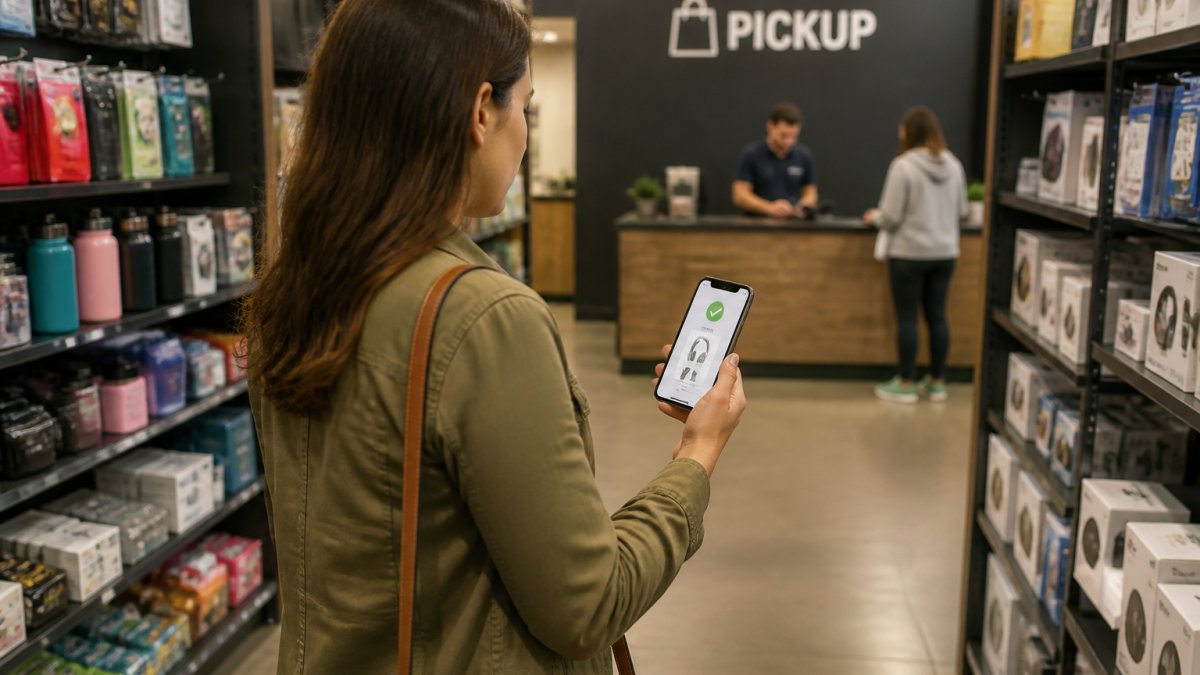
- Buy online and pick up in store the same day
- Return an online order at a physical counter
- See the same price and promotion on every channel
- Track an order across web, app, and email
Each of these removes a step. Stack them and the shopping journey feels shorter than it really is.
Stronger Loyalty and Higher Customer Lifetime Value
Shoppers who move between channels tend to come back. A consistent experience builds trust, and trust drives repeat purchases. Retailers that link purchase history across channels can offer relevant recommendations instead of generic ones.
That personalization is the loyalty engine. When a store remembers what you bought and where, it stops asking you to repeat yourself. Fewer annoyances, more repeat visits.
Here are the everyday gains the article credits to a joined-up omnichannel setup.
| Benefit | What it looks like in practice |
|---|---|
| Stock visibility | Check store stock before you drive over |
| Same-day pickup | Buy online and pick up in store the same day |
| Cross-channel returns | Return an online order at a physical counter |
| Price consistency | See the same price and promotion on every channel |
| Order tracking | Track an order across web, app, and email |
| Personalization | Relevant recommendations instead of generic ones |
The Cons: Costs, Complexity, and Customer Friction
The costs are real, and shoppers often feel them before retailers admit them. Joining channels means new software, new processes, and new failure points. When one link breaks, the whole promise of a seamless experience collapses.
Implementation Costs and Total Cost of Ownership
Omnichannel is expensive to run, not just to launch. The total cost of ownership includes:
- Order management and inventory software
- Staff training across every location
- Returns processing that spans channels
- Ongoing integration and maintenance work
- Customer service tools that see the full order history
These costs do not disappear after launch. They compound as the catalog and store count grow.
Data Silos and Inventory Visibility Gaps
Here is where most omnichannel plans fail. A data silo is a system that holds information no other system can see. When the store's stock count and the website's stock count disagree, the shopper pays for it with a canceled order or a wasted trip.
Watch out: an item shown as "in stock" online that turns out to be unavailable at pickup is the single most common omnichannel failure, and it erodes trust faster than a slow delivery.
Omnichannel vs. Multichannel Retail: Why the Difference Matters
Multichannel retail runs several channels side by side (Multi Channel Retailing: Definition and Examples (2025)). Omnichannel retail connects them so they act as one. The difference sounds small. In practice, it decides whether your order history follows you from the app to the store counter.
Multichannel means a store, a website, and an app that each work alone. Omnichannel means those same channels share inventory, pricing, and customer data. For shoppers, the test is simple: can a store associate see your online order without asking you to explain it?
That single question separates a real omnichannel setup from a multichannel one dressed up with new branding.
Omnichannel Retail Examples That Show the Model in Practice
The clearest examples come from everyday errands. A parent orders school supplies on a phone during a commute, gets a pickup alert before dinner, and returns one wrong item at the counter the next week, all under one order record.
Pet owners see the same pattern. Order food and a toy online, track the shipment in the app, and swap a wrong size at a local store. When the channels talk to each other, none of that requires a phone call.
Omnichannel Retail Challenges Retailers Underestimate
Returns are the challenge that breaks the model. A cross-channel return means the store has to accept, inspect, and restock an item it may never have sold. That takes systems most retailers built for single-channel selling.
Marketplace orders add another layer. Tracking a return that started on a marketplace and ended at a store counter is genuinely hard. Readers can learn how to track marketplace return shipments fast.
Other underestimated challenges:
- Keeping prices and promotions identical on every channel
- Training store staff to handle online orders
- Reconciling inventory counts across locations
- Attributing a sale to the channel that actually earned it
A Readiness Checklist Before You Commit to Omnichannel
Most omnichannel advice assumes the answer is yes. A better approach is a scored readiness test: confirm the basics work, then decide whether the model fits your business size, channel mix, resources, and customer needs. This is the decision framework competitors tend to skip.
The readiness test
Score each line from 0 (not in place) to 2 (fully working). A total below 8 means fix the foundations before committing budget.
- One inventory count visible to every channel (0-2)
- Order history shared across web, app, and store (0-2)
- Returns accepted from any channel at any counter (0-2)
- Pricing and promotions synced automatically (0-2)
- Staff trained on online order handling (0-2)
- A plan to measure cross-channel sales, not just channel totals (0-2)
- Service tools that show the full customer record (0-2)
When omnichannel is the right fit
- You have more than one channel already. A single store or a single website rarely justifies the integration cost; the payoff comes from handoffs between channels.
- Customers cross channels. If shoppers research online and buy in store, or buy online and return in store, the joined-up experience removes real friction.
- You can fund maintenance, not just launch. The recurring costs outlast the project.
- You have inventory discipline. Shared stock counts only work if the underlying counts are accurate.
When to wait or choose a lighter model
- Small catalog, single location, low return rate. A well-run multichannel setup may be enough; the integration cost outweighs the convenience gain.
- No capacity for integration maintenance. A half-built omnichannel setup erodes trust faster than a clean multichannel one.
- Marketplace-heavy sales with no store network. The return-tracking complexity may not pay off without a physical counter to accept returns.
Miss any line and the seamless experience has a crack in it, but a low score is a signal to fix the foundation, not to abandon the strategy.
Choosing Where to Shop: Matching Omnichannel Benefits to Your Needs
For shoppers, the practical move is to match the channel to the errand. Need it today? Check store stock first. Want the best deal? Compare the same item across channels before checkout.
For health and beauty purchases, channel consistency matters more than speed. See these reliable sites for health and beauty before you buy.
MixVanta is built for the shopper who wants one place to cover household basics, kids' items, pet accessories, and electronics. Our catalog spans those categories, and our free shipping over $70 and 30-day money-back guarantee are designed to reduce the friction of shopping across channels. If you are tired of bouncing between sites, shop MixVanta and keep the whole list in one cart.
Frequently Asked Questions
What are the main disadvantages of omnichannel retail?
The biggest drawbacks are cost and complexity. Retailers must connect inventory, order management, and customer data across every channel, which often means new software and staff training. Data silos can cause inaccurate stock counts, leading to canceled orders or late deliveries. Returns get harder to process when an item bought online comes back to a store. Smaller retailers may find the investment hard to justify until order volume is high enough to absorb it.
How does omnichannel retail benefit shoppers?
Shoppers get a consistent experience across web, mobile, and physical stores. You can browse online, check whether a nearby store has an item, buy it, and pick it up the same day. Order fulfillment is more flexible, and returns are easier when stores accept online purchases. Customer data also supports personalization, so recommendations and offers reflect what you actually bought before. The result is less friction and fewer surprises at checkout.
What is the difference between omnichannel and multichannel retail?
Multichannel retail runs several separate channels, such as a website, a store, and a marketplace, but they often operate independently. Omnichannel retail connects those channels so inventory, pricing, and customer data stay in sync. In multichannel, a return might only work where you bought the item. In omnichannel, a store can accept an online return and see the same order history. The distinction is integration, not the number of channels.
What are common omnichannel retail challenges during rollout?
The most common problems are disconnected inventory systems, inconsistent pricing across channels, and staff who are not trained on new fulfillment workflows. Buy-online-pickup-in-store programs can stall if stores lack space or staff to handle orders. Measuring results is another hurdle, because attribution across channels is rarely clean. Retailers that map the customer journey first and roll out one capability at a time tend to avoid the worst of these issues.
The real test of any shopping model is whether it saves you time or costs you trust. We built MixVanta around a simple catalog, free shipping options, and a 30-day money-back guarantee so the answer stays on the right side. Get started with MixVanta and keep your everyday essentials, kids' finds, and pet gear in one place.


