


Table of Contents
- The Core Question: Is a Robotic Mop Worth It for Hardwood?
- How Water Exposure Affects Hardwood Flooring
- Are Robot Mops Safe for Engineered Hardwood?
- How to Maintain Hardwood Floors With Robot Mops
- Suction Power vs. Mopping Capability: What Actually Matters
- Real Costs: Battery Life, Maintenance, and Long-Term Wear
- When a Robotic Mop Makes Sense for Hardwood
- Frequently Asked Questions
Last Updated: September 19, 2026
The Core Question: Is a Robotic Mop Worth It for Hardwood?
Whether a robotic mop is worth buying for hardwood floors depends on your floor finish, moisture sensitivity, and tolerance for water exposure. Hardwood is vulnerable to water damage, even small amounts of excess moisture cause warping and cupping. A robotic mop applies water automatically, introducing risk that traditional mopping avoids. The question isn't whether robotic mops can clean hardwood, but whether convenience justifies the potential downsides for your specific floors.
This guide focuses on what matters: how much water reaches your hardwood, whether your finish can handle it, and when a robotic mop makes genuine sense versus when traditional cleaning remains safer.
How Water Exposure Affects Hardwood Flooring
Water is hardwood's primary enemy. Solid hardwood absorbs moisture through its grain, causing uneven fiber swelling that creates cupping (edges higher than center) or warping. The damage speed and severity depend entirely on your floor's finish type.
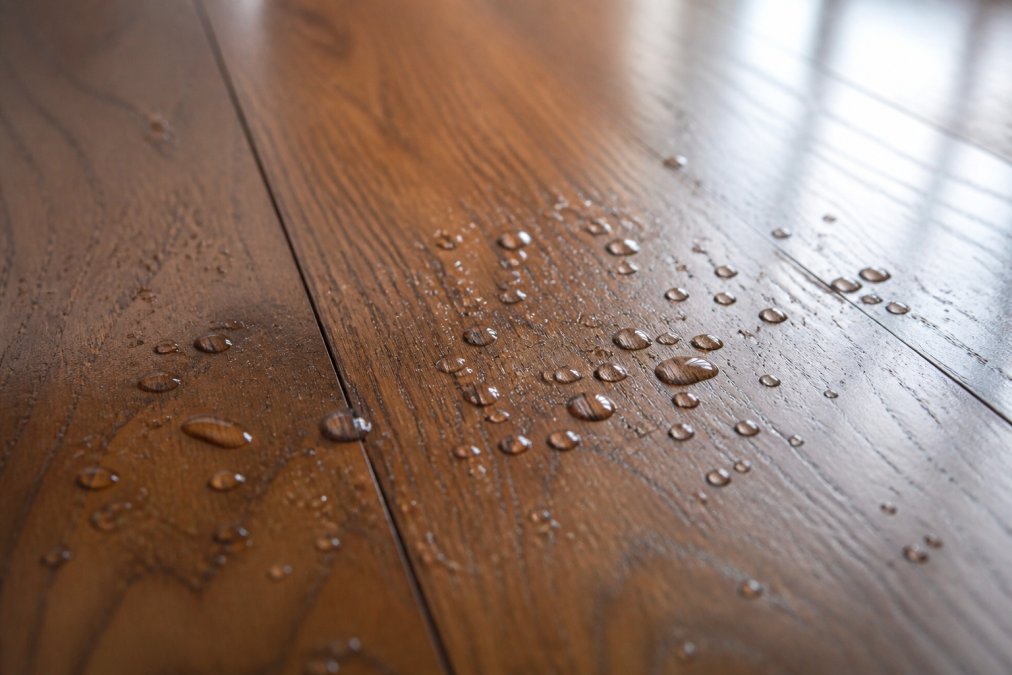
Sealed hardwood (polyurethane or aluminum oxide) offers the most protection. These finishes create a barrier that repels water on the surface. A robotic mop on sealed hardwood poses lower risk because water beads up and dries quickly. The catch: seals degrade over time. Sealed floors less than 5 years old with no visible wear tolerate robotic mopping better than older sealed floors.
Oil-finished hardwood is significantly more vulnerable. Oil finishes penetrate the wood rather than sitting on top, offering minimal water resistance. Water soaks into oiled wood quickly, causing swelling within hours. Oil-finished floors should not use robotic mops.
Waxed hardwood falls between sealed and oiled in water resistance. Water can bead on fresh wax but penetrates worn wax easily. If your waxed floor shows dull spots or footprints that don't buff out, the wax layer has degraded enough that robotic mopping introduces significant risk.
Engineered hardwood (plywood core with hardwood veneer) is more water-resistant than solid hardwood. However, the real risk comes from edges and joints. When a robotic mop passes over seams, water can run down into gaps. Once water reaches the plywood core, swelling happens faster than with solid wood, and the veneer can separate from the base.
The key variable is drying time. If your robotic mop applies water and the floor dries quickly, damage risk stays low. If water sits on the surface or soaks into seams, risk increases. Room humidity, ventilation, and the mop's water-dispensing rate all matter.
Before using a robotic mop, identify your exact finish type by checking flooring documentation or asking your installer. If unsure, perform a water-drop test: place a small drop on an inconspicuous area and observe whether it beads up (sealed or waxed) or soaks in (oiled or unfinished). Sealed and waxed floors with visible finish integrity are candidates for robotic mopping. Oiled and unfinished floors should rely on traditional mopping.
Are Robot Mops Safe for Engineered Hardwood?
Engineered hardwood is safer for robotic mops than solid hardwood, but "safer" doesn't mean "safe without precautions." The plywood core resists moisture better than solid wood, but the hardwood veneer remains vulnerable.
Most engineered hardwood has a polyurethane or aluminum oxide finish that repels water better than oil-based finishes on solid hardwood. However, finishes wear over time, developing micro-scratches where water penetrates more easily.
The real risk comes from edges and joints. Water running down seams reaches the plywood core, where swelling happens faster than with solid wood. The veneer can separate from the base if moisture penetration is severe.
Robotic mops designed for hardwood typically have lower water output than tile models. Some let you adjust water dispensing or set no-mop zones to avoid problem areas. If your engineered hardwood is relatively new with a solid finish, and you use a low-water-output mop with careful setup, risk becomes manageable. For older engineered hardwood with worn finishes, traditional mopping remains safer.
How to Maintain Hardwood Floors With Robot Mops
If you decide a robotic mop works for your hardwood, specific maintenance practices reduce damage risk while you gain automation benefits.
Initial Setup and Testing
Ensure your mop has adjustable water output and set it to the lowest level that still cleans effectively. Before running the mop on your entire floor, perform a spot test in an inconspicuous area (inside a closet or under furniture) using your intended settings. Wait 30 minutes, then check for moisture residue, finish dulling, or water marks. If the test area shows no damage, proceed with confidence. If you see any changes, reduce water output further or reconsider using the robotic mop.
Mapping and No-Mop Zones
Establish no-mop zones using your mop's app-controlled mapping feature. Mark these areas:
- Seams between boards where water collects
- Edges along walls where water pools
- Areas near windows, doors, or exterior walls
- Anywhere the finish is visibly worn or scratched
- Thresholds between rooms
No-mop zones are your primary defense against concentrated water exposure.
Environmental Controls During and After Mopping
Increase air circulation on mopping days. Run ceiling fans or open windows during and after cleaning. Faster drying reduces moisture penetration time. If your home is naturally humid (above 50% relative humidity), consider running a dehumidifier while the mop operates and for 1-2 hours afterward.
Pad and Dock Maintenance
Check the mop's microfiber pads regularly. Dirty pads leave residue that traps moisture against the floor. Replace pads every 2-4 weeks depending on use. Remove pads after each cycle and allow them to air-dry separately from the dock. Wash pads weekly in cool water without fabric softener.
Monthly Damage Monitoring Protocol
Establish a monthly inspection routine to catch moisture damage early. On the first of each month, perform these checks:
-
Visual inspection for cupping: Look at your hardwood from a low angle in natural light. Cupping appears as edges higher than the center of each board. Check high-traffic areas first.
-
Check for buckling: Walk across your floor and feel for any boards higher than their neighbors. Buckling indicates significant moisture penetration. If detected, stop using the robotic mop immediately.
-
Inspect finish separation: Look along seams and edges for peeling, bubbling, or separation. This indicates moisture has gotten under the finish layer.
-
Feel for soft spots: Walk slowly and notice any areas that feel slightly spongy. Soft spots indicate the wood has absorbed excess moisture.
-
Document with photos: Take monthly photos of the same areas from the same angle. Photo comparison reveals subtle changes you might miss visually.
If you detect cupping, buckling, finish separation, or soft spots, stop using the robotic mop immediately and consult a flooring professional. Early intervention prevents minor damage from becoming major damage.
Suction Power vs. Mopping Capability: What Actually Matters
Most robotic mops are primarily vacuum devices that add mopping as a secondary feature. This matters for hardwood specifically.
Strong suction removes dust, pet hair, and debris before water touches the floor. Less debris means less moisture gets trapped in particles. A robot with strong suction and light mopping capability is safer for hardwood than one with weak suction and heavy mopping.
Look at suction power first. Models with 2,000+ Pa (pascals) of suction handle hardwood better. The suction dries the floor slightly as it cleans, reducing overall moisture exposure time.
Mopping capability should be secondary. The best robot mops for hardwood have:
- Adjustable water dispensing
- Microfiber pads instead of cloth mops
- Oscillating pads that wring themselves slightly
- Drying cycles that blow air across the floor after mopping
Avoid mops marketed as "wet mops" or "heavy-duty cleaners" for hardwood. These are designed for tile and apply too much water for wood floors.
Real Costs: Battery Life, Maintenance, and Long-Term Wear
The financial calculation for robotic mops on hardwood includes more than purchase price. Battery replacement, pad costs, and potential floor repairs add up.
Battery life typically ranges from 2-3 years of regular use before capacity drops noticeably. Microfiber pads need replacement every 2-4 weeks of regular use.
When a Robotic Mop Makes Sense for Hardwood
Robotic mops work best for hardwood in specific situations.
Best case scenarios:
You have engineered hardwood with a polyurethane finish less than 5 years old with no visible wear. You have good air circulation and can run fans during mopping. You're willing to set up detailed no-mop zones and monitor the floor monthly. Your home has low humidity or you control it with a dehumidifier.
Avoid robotic mops if:
Frequently Asked Questions
Can a robotic mop damage sealed hardwood floors?
Sealed hardwood can tolerate robot mops better than unsealed wood, but risk remains. The main danger is water pooling in crevices or around baseboards, which penetrates the seal over time. Most robot mops use damp mopping rather than wet cleaning, which reduces risk. However, any automated system that malfunctions, such as a blocked water valve causing excess moisture, can cause swelling, warping, or finish separation. Sealed wood finish compatibility varies by product type, so verify your floor's specific sealant before use.
How often should you mop hardwood floors with a robot?
For hardwood, less frequent automated mopping is safer than daily cycles. Most experts recommend 1-2 times per week for damp mopping on sealed hardwood. Unsealed or wax-finished hardwood should use robot mops even less often, weekly at most. Daily suction-only passes are acceptable if your robot has debris pickup capability, but reserve the mopping function for weekly maintenance cycles. Battery runtime and cleaning efficiency matter here; longer runtime means fewer charging cycles, reducing wear on your navigation sensors and automated docking systems.
Do robot mops actually clean hardwood or just smear dirt?
Robot mops work best on sealed hardwood with damp mopping rather than wet mopping. They excel at residue buildup removal and light soil pickup, but struggle with stubborn grime in the same way manual mopping does. The microfiber pads on quality models pick up debris effectively, though side brushes and beater bar performance vary by brand. For hardwood, the real value is maintenance cleaning between deep cleanses, not replacing manual mopping entirely. Obstacle avoidance technology helps them navigate around furniture, but they cannot handle spill cleanup or spot treatment like a person can.
What's the best way to clean hardwood floors if not using a robot mop?
Manual mopping with minimal water remains the gold standard for hardwood floor care. Use a microfiber mop with a spray bottle of hardwood-specific cleaner, wringing out excess water before each pass. For deeper cleaning, a high-pressure steam cleaner like the High-Pressure Cleaner ($95.99) offers chemical-free sanitization without soaking the wood, the steam penetrates surface grime while the pressure reaches cracks and corners without pooling water like wet mopping does. This approach protects your floor finish.


