


Table of Contents
- What Are Hidden Fees in Online Marketplaces
- The Business Model Behind Marketplace Fees
- Common Types of Hidden Fees You'll Encounter
- How to Avoid International Currency Fees
- Understanding the Junk Fees Prevention Act
- Practical Checklist: Spotting Hidden Fees Before You Buy
- Marketplace vs. Direct-to-Consumer: Fee Comparison
- Conclusion
Last Updated: August 21, 2026
What Are Hidden Fees in Online Marketplaces
Hidden fees in online marketplaces are charges that appear after you've committed to a purchase, often at checkout or after the transaction completes. These aren't disclosed upfront in the product price, and they catch shoppers off guard. At MixVanta, we recognize that price transparency matters to our customers, which is why understanding these charges helps you make informed decisions across any platform.
The issue runs deeper than simple surprise charges. When you see a product listed at one price and pay something entirely different, that's drip pricing in action. It fragments the shopping experience and erodes trust. The psychology behind it is straightforward: marketplaces display low headline prices to attract clicks, then layer on fees during checkout when you've already invested mental energy into the purchase decision.
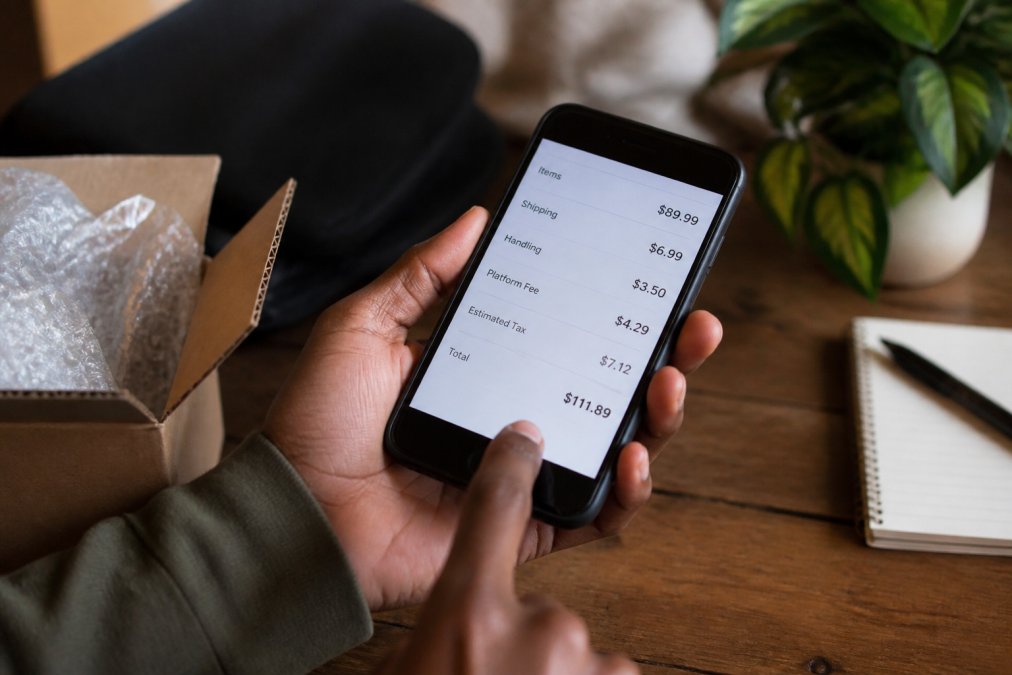
Common marketplace hidden fees include payment processing surcharges, currency conversion markups, shipping adjustments, handling charges, and platform service fees. Some platforms add "order fulfillment" charges. Others tack on payment method fees if you use certain credit cards. The variety is staggering, and most shoppers don't realize how many different fees can stack up on a single order.
The Business Model Behind Marketplace Fees
Online marketplaces operate on a fundamentally different cost structure than direct-to-consumer retailers. They host thousands of sellers, manage payment processing across multiple currencies, handle disputes, and maintain infrastructure at scale. Those operational overhead costs get passed somewhere, and marketplace fees are how they recover expenses.
Payment processing alone drives significant costs. Every credit card transaction incurs interchange fees paid to card networks and banks. International transactions multiply these costs due to currency conversion and cross-border processing fees. A marketplace handling global transactions faces payment costs that a single-brand retailer never encounters.
Seller commissions are another layer. Marketplaces typically take 10-30% of each transaction, depending on category. That revenue funds customer service, dispute resolution, fraud detection, and platform maintenance. When a marketplace advertises "free shipping," that cost comes from somewhere. Usually, it's baked into the seller commission or recovered through additional platform fees.
The competitive pressure to display low headline prices creates an incentive structure that encourages fee separation. If two marketplaces both sell the same item, the one showing the lower upfront price gets more clicks, even if the total cost ends up identical after fees. This race-to-the-bottom on displayed pricing drives the proliferation of hidden charges.
Common Types of Hidden Fees You'll Encounter
Shipping surcharges are the most obvious. A marketplace advertises "free shipping," but then charges a handling fee, fuel surcharge, or regional delivery fee at checkout. You thought you were getting free shipping. You weren't.
Currency conversion fees hit international shoppers hard. When you buy from a marketplace using a different currency than your home country, the platform converts your payment. That conversion carries a markup, often 2-5% above the actual exchange rate. MixVanta supports global currency conversion.
Payment method fees vary by how you pay. Some marketplaces charge extra for credit card payments while offering discounts for bank transfers or digital wallets. Others charge differently based on card type (debit vs. credit, domestic vs. international cards). These fees often don't appear until you select your payment method.
Platform service fees are vague charges that cover "order processing" or "platform access." They're not shipping, not payment processing, just a flat fee for using the marketplace. These charges can range from $1 to $5 per order depending on the platform.
Restocking or return processing fees emerge when you need to return items. Some marketplaces charge for processing returns even though the seller pays for return shipping. Others add fees for items returned in original packaging versus opened items.
Late payment penalties and interest charges apply if you use installment payment options or buy-now-pay-later services. These aren't always clearly labeled as fees, they're sometimes buried in service terms.
Subscription or membership fees hide in the fine print. Some marketplaces require paid membership to access certain deals or free shipping benefits. The cost of that membership might not be obvious when you're browsing.
How to Avoid International Currency Fees
International shoppers face the highest fee burden. If you're buying from a marketplace that operates in multiple currencies, your conversion costs can easily add 5-10% to your final bill.
First, check whether the marketplace displays prices in your local currency before checkout. If it does, that's a good sign, it means you can see the final cost upfront. MixVanta displays prices in your local currency with transparent conversion, so you know exactly what you're paying before confirming your order.
Second, compare the displayed price against the same product on a direct seller's website or another marketplace. If the conversion seems off, it probably is. A 2-3% markup on currency conversion is reasonable. Anything above 5% suggests the marketplace is inflating the rate.
Third, use payment methods that minimize conversion fees. Bank transfers and digital wallets like PayPal often offer better exchange rates than credit cards. Some credit cards marketed to international travelers offer zero foreign transaction fees. Check your card's terms before paying.
Fourth, buy in bulk when possible. If you're purchasing multiple items, the per-item currency conversion cost decreases. Some marketplaces also offer volume discounts that offset conversion markups.
Finally, read the marketplace's currency policy in the terms of service. Legitimate platforms disclose their conversion methodology upfront. If you can't find this information, that's a red flag.
Understanding the Junk Fees Prevention Act
The Junk Fees Prevention Act represents legislative effort to address deceptive pricing practices. This regulation focuses on requiring businesses to disclose all fees upfront before customers commit to a purchase. The law targets industries where hidden fees have become endemic, though enforcement and scope vary.
The core principle is straightforward: if a fee will be charged, it must be disclosed before the customer completes the transaction. No surprises at checkout. No "gotcha" charges buried in terms and conditions. This aligns with consumer protection standards that demand fair competition and billing transparency.
For online marketplaces, the act creates pressure to redesign checkout flows. Instead of revealing fees at the final step, compliant platforms now display all charges when you first add items to your cart. This increases checkout abandonment initially but builds trust over time.
The regulatory landscape continues evolving. Different states and jurisdictions interpret "junk fees" differently, and enforcement remains inconsistent. However, the trend is clear: regulators are prioritizing price transparency and consumer protection over marketplace profit optimization.
Practical Checklist: Spotting Hidden Fees Before You Buy
Before you complete any online marketplace purchase, work through this checklist to identify potential hidden charges.

Pre-Checkout Review:
- Note the headline product price displayed on the product page
- Check the marketplace's shipping policy, is it truly free or conditional?
- Look for any mention of "handling fees," "processing fees," or "platform charges" in the product description
- Verify the product's country of origin and whether that triggers import duties or additional fees
- Search the marketplace's FAQ or help section for "fees" or "charges"
Checkout Screen Review:
- Compare the subtotal against the headline price, they should match exactly
- Read every line item before confirming payment, not after
- Identify each fee individually: shipping, handling, currency conversion, platform service, payment processing
- Calculate the total cost and compare it against the original product price as a percentage increase
- Check whether you're paying in your local currency or a foreign currency
Payment Method Review:
- Try different payment methods to see if fees vary (credit card vs. debit vs. digital wallet)
- Note any payment method that shows a lower total, that's your best option
- Verify that the payment method you select matches the currency displayed
Final Decision Point:
- If total fees exceed 15% of the product price, reconsider the purchase or shop elsewhere
- If you can't identify what a fee covers, don't complete the transaction
- If the marketplace won't show you the final cost before payment, that's a sign to use a different platform
This checklist takes two minutes and saves you money and frustration. Most shoppers skip this step and pay the price, literally.
Marketplace vs. Direct-to-Consumer: Fee Comparison
Buying directly from a brand's website versus purchasing through a marketplace creates fundamentally different fee structures. Understanding this difference helps you make smarter shopping decisions.
Direct-to-consumer retailers control their entire supply chain. They set their own shipping costs, payment processing, and pricing strategy. When you buy from a brand's website, you're paying one entity. That entity absorbs payment processing fees and shipping costs as part of its business model. The price you see is usually the price you pay, minus any promotions the brand offers.
Marketplaces introduce intermediaries. The marketplace takes a commission from the seller, handles payment processing, manages disputes, and operates the platform. These costs get passed to consumers through fees. A product that costs $20 on a brand's direct website might cost $20 plus $4 in marketplace fees when purchased through a third-party platform.
However, marketplaces offer advantages that justify their fees. They provide comparison shopping, customer reviews, dispute resolution, and buyer protection. If a seller ships a damaged item, the marketplace often covers the loss rather than forcing you to fight with the seller directly. That protection has value.
The fee comparison depends on what you're buying and where. For commodity items with high competition, marketplace fees are often built into the seller's pricing, so the total cost ends up similar. For specialty items or brands with limited distribution, buying direct often costs less because you avoid marketplace markups.
MixVanta operates as a marketplace that prioritizes transparent pricing. Rather than hiding fees at checkout, we build our cost structure into the displayed price when possible. Our free shipping over $70 threshold means you see upfront whether you qualify for free shipping, not at checkout.
The smartest approach: check both channels. Look at the direct brand website and compare the total cost (including shipping and any applicable fees) against the marketplace price. Often, the difference is negligible, and you'll choose based on convenience rather than price.
Hidden fees in online marketplaces represent a persistent friction point in e-commerce. They erode consumer trust and inflate the true cost of shopping online. Regulatory pressure is mounting, and platforms that prioritize billing transparency are gaining competitive advantage. When you shop at MixVanta, our commitment to transparent pricing and free shipping options means you see your final cost before checkout. No surprises. No hidden charges. That's how convenient, accessible shopping should work.
Frequently Asked Questions
Q: Are hidden fees illegal in online marketplaces?
A: Hidden fees aren't inherently illegal, but deceptive pricing practices violate the Federal Trade Commission Act and state consumer protection laws. The Junk Fees Prevention Act restricts mandatory surcharges that aren't clearly disclosed before checkout. Marketplaces must disclose all charges before you complete payment. If a fee is undisclosed or materially different from what was advertised, you have grounds to dispute it through consumer protection channels or your payment provider.
Q: How can I identify hidden fees before completing a purchase?
A: Review the full price breakdown at checkout before submitting payment. Look for line items beyond the product price: shipping, handling, service fees, payment processing charges, and currency conversion fees. Compare the advertised price to the final total. Check the marketplace's fee disclosure policy or FAQ section. For international orders, verify currency conversion rates independently. If fees appear without clear explanation, contact customer service before purchasing. Many reputable marketplaces now display all charges in the shopping cart, not just at final checkout.
Q: What's the difference between marketplace and direct-to-consumer shopping fees?
A: Marketplace platforms (like aggregators) charge seller commissions, payment processing fees, and sometimes buyer service fees, which can increase final prices. Direct-to-consumer sites typically have lower overhead and may offer more transparent pricing since they control the entire transaction. However, direct sellers still charge shipping and may apply processing fees. Marketplaces justify fees through buyer protection, dispute resolution, and convenience, while DTC sites may offer lower fees but less recourse if something goes wrong. Comparing total cost, not just base price, reveals which model saves you money.
Q: How do I avoid currency conversion fees when shopping internationally?
A: Use a payment method that doesn't charge foreign transaction fees, such as certain credit cards or digital wallets designed for international purchases. Check your bank's or card issuer's fee schedule before checkout. Some marketplaces offer local currency pricing, which locks in the exchange rate upfront and eliminates surprise conversions. Pay in your home currency rather than the merchant's currency when given the option, as merchant conversions typically include markups. Request an itemized receipt showing the exchange rate applied. For frequent international shopping, consider services that specialize in cross-border transactions with competitive rates.
This article was written using GrandRanker


