


Table of Contents
- Quick Comparison: 10 Sustainable Cleaning Products for Sensitive Skin
- How We Evaluated These Sustainable Cleaning Products
- Non-Toxic Cleaning Ingredients to Avoid for Sensitive Skin
- 1. Original Ecological Beeswax Food Storage Cloth: Plastic-Free Kitchen Storage
- 2. High-Pressure Steam Cleaner ($95.99): Chemical-Free Deep Cleaning
- 3-6. High-Pressure Steam Cleaner Models ($51.12): Compact Chemical-Free Options
- 7. Toilet Disposable Brush ($41.76): Hygiene Without Harsh Chemicals
- 8. Laundry Bag ($46.99): Gentle Care for Shoes and Washer
- Frequently Asked Questions
Last Updated: September 16, 2026
Quick Comparison: 10 Sustainable Cleaning Products for Sensitive Skin
Finding sustainable cleaning products for sensitive skin means filtering every label for fragrance, dyes, and harsh surfactants before anything else. This guide from MixVanta breaks down ten picks that keep chemical exposure low and still clean a house properly. Sensitive skin reacts to residue, not to dirt, so the products below prioritize rinsing clean and leaving nothing behind.
Here is the short version before the detail:
| Product | Price | Category | Best For |
|---|---|---|---|
| Original Ecological Beeswax Food Storage Cloth | $19.99 | Kitchen storage | Plastic-free food wrapping |
| High-Pressure Steam Cleaner | $95.99 | Deep cleaning | Whole-home chemical-free cleaning |
| Compact High-Pressure Cleaner (three models) | $51.12 | Deep cleaning | Small kitchens and bathrooms |
| Toilet Disposable Brush | $41.76 | Bathroom | Hygiene without bleach |
| Laundry Bag | $46.99 | Laundry | Protecting shoes and washer drums |
The thread running through all ten picks is the same: remove the chemical, keep the clean. Steam, water, and mechanical action do the work that fragrance and bleach usually pretend to do.

How We Evaluated These Sustainable Cleaning Products
Every product here was judged on four criteria: ingredient transparency, residue left after use, whether it replaces a harsher conventional product, and whether it holds up over repeated use. Sustainable cleaning products only earn a place on this list if they reduce chemical exposure rather than just relabeling it.
A common mistake is assuming "natural" on a label means safe for reactive skin. It does not. Botanical extracts and essential oils are among the most frequent triggers of contact dermatitis, which is why scent-free options rank higher here than pleasant-smelling ones.
Non-Toxic Cleaning Ingredients to Avoid for Sensitive Skin
Sensitive skin does not react to "chemicals" in the abstract. It reacts to specific molecules that either strip the skin barrier, sit on the skin as residue, or trigger an immune response. Knowing which category a suspect ingredient falls into tells you how to avoid it, because the fix is different for each.
The four groups below cover the overwhelming majority of reactions traced to household cleaners.
1. Synthetic fragrance (and the "parfum" loophole). Under federal labeling rules, a single word, fragrance, parfum, or aroma, can stand in for a blend of dozens of undisclosed compounds. That blend may include known sensitizers such as cinnamal, eugenol, and isoeugenol, which are among the fragrance ingredients most frequently flagged in dermatology patch-test series. Because the blend is proprietary, you cannot screen it from the label. The only reliable move is to buy products that state "fragrance-free" and list no parfum, aroma, or essential oil.
2. Phthalates. These are used as solvents and to make scent linger. They rarely appear by name; look instead for the abbreviations DEP, DBP, and DEHP, or for "fragrance" on a product that also lists no individual scent ingredients. Phthalates are a frequent co-traveler with synthetic fragrance, so eliminating fragrance usually eliminates them too.
3. Parabens and other preservatives. Methylparaben, propylparaben, and butylparaben are the common forms. Preservatives matter most in leave-on and rinse-adjacent products, surface sprays you mist into the air, and anything that touches skin repeatedly. A preservative that is fine in a diluted dish soap can still irritate in a concentrated all-purpose spray.
4. Harsh surfactants. Sodium lauryl sulfate (SLS) is the best-known offender, but the whole family deserves scrutiny: sodium laureth sulfate (SLES), linear alkylbenzene sulfonates (LAS), and even coconut-derived cocamidopropyl betaine, which is a recognized contact allergen in its own right. Surfactants work by breaking the surface tension between water and oil, and in doing so they also strip the lipids that hold your skin barrier together. Higher concentration and longer contact time mean more stripping.
How to Read a Cleaning Product Label for Sensitive Skin
Ingredient lists on cleaning products are not required to be complete the way food labels are, so treat the panel as a starting point rather than a guarantee. A practical screen, in order:
- Scan for fragrance, parfum, aroma, and any named essential oil. If any appear, put it back.
- Scan for the preservative and surfactant names above.
- Look for a "free of" statement that names specific classes (dyes, phthalates, SLS) rather than vague claims like "gentle" or "natural."
- Prefer products whose full ingredient list is published on the manufacturer's site, not just the bottle. Transparency about the full list is itself a signal.
A common pattern is that products marketed as "gentle" or "dermatologist-tested" still contain fragrance, because "tested" does not mean "free of." The label claim and the ingredient panel are two different documents, and the panel is the one that matters.
Fragrance, Preservatives, and Surfactants That Trigger Contact Dermatitis
Contact dermatitis from cleaning products usually shows up as dry, cracked hands, itchy forearms, or a rash that appears hours or even a day after cleaning. It is a delayed reaction, which makes the culprit hard to spot without tracking what you use and when.
There are two distinct mechanisms, and they call for different responses:
- Irritant contact dermatitis is a direct barrier injury. It happens fast, is roughly dose-dependent, and gets better when you reduce concentration and contact time. Harsh surfactants and prolonged wet work are the usual causes.
- Allergic contact dermatitis is an immune response. It can develop after weeks or months of problem-free use, then reappear on every exposure. Fragrance ingredients and certain preservatives are the classic triggers.
That second mechanism is why "it never bothered me before" is not evidence that a product is safe. A sensitization can build silently and then present suddenly. If you have had a reaction, the most useful step is to note every cleaning product you touched in the 48 hours before symptoms appeared, then eliminate them one at a time rather than all at once, otherwise you cannot tell which one was responsible.
1. Original Ecological Beeswax Food Storage Cloth: Plastic-Free Kitchen Storage
The Original Ecological Beeswax Food Storage Cloth replaces plastic wrap with a reusable, compostable alternative that never touches your skin with chemical residue. At $19.99, it is the lowest-commitment swap on this list and the easiest place to start cutting single-use plastic from a kitchen.
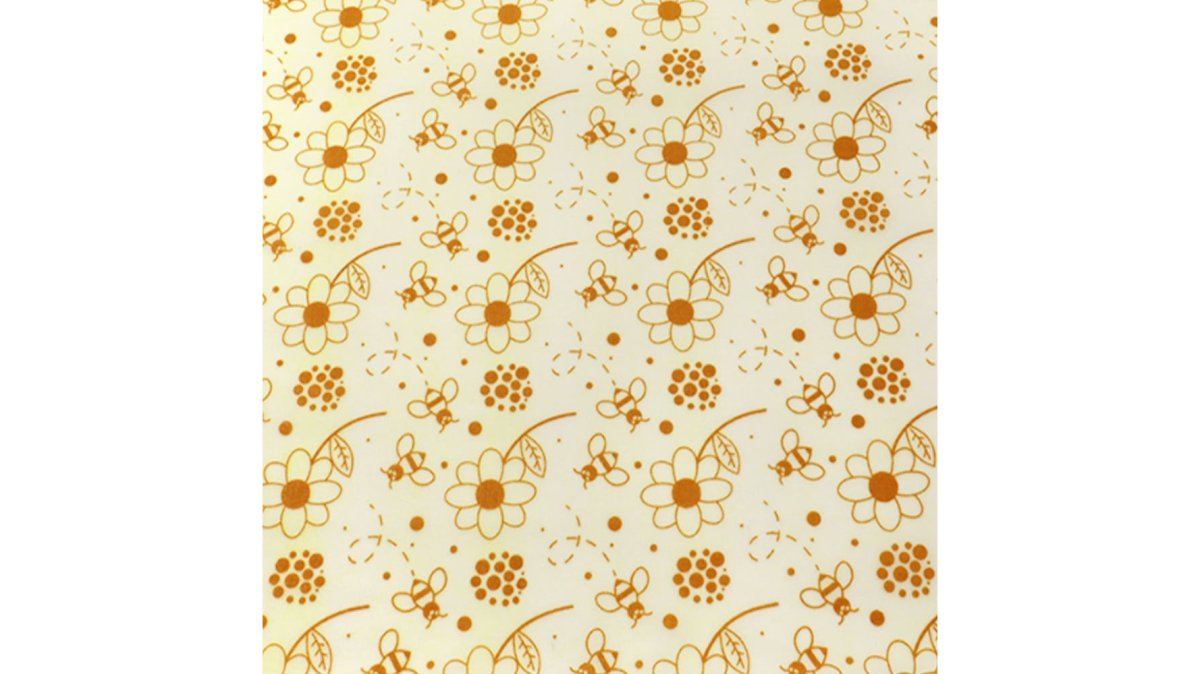
It wraps sandwiches, covers bowls, stores produce, and packs lunches, then gets rinsed and reused instead of thrown away. Because it contains no synthetic fragrance or plastic coating, it sidesteps the residue concerns that make plastic wrap and scented storage bags a problem for sensitive skin.
2. High-Pressure Steam Cleaner ($95.99): Chemical-Free Deep Cleaning
The High-Pressure Steam Cleaner cleans with high-temperature steam instead of detergent, which means no surfactant residue is left on any surface you later touch. Priced at $95.99, it is the most capable option here for whole-home deep cleaning.

3-6. High-Pressure Steam Cleaner Models ($51.12): Compact Chemical-Free Options
Pros: Lower price point, compact, global plug options. Cons: Smaller tank means more refills on large jobs.
7. Toilet Disposable Brush ($41.76): Hygiene Without Harsh Chemicals
The Toilet Disposable Brush removes the dirtiest part of bathroom cleaning, the reused brush head, without requiring bleach-based cleaners. At $41.76, it replaces a permanently contaminated tool with a replaceable head you discard after each use.

8. Laundry Bag ($46.99): Gentle Care for Shoes and Washer
The Laundry Bag protects footwear and the washing machine during a wash cycle, cutting the need for the harsh stain treatments people reach for when shoes go in loose. At $46.99, it is a durable mesh bag built for repeated use.
Frequently Asked Questions
What ingredients should be avoided in cleaning products for sensitive skin?
Avoid synthetic fragrances, phthalates, parabens, and volatile organic compounds (VOCs). These are common triggers for contact dermatitis and can disrupt the skin barrier. Also skip harsh surfactants like sodium lauryl sulfate if you have eczema.
Are plant-based cleaning products better for skin allergies?
Plant-based surfactants are generally gentler than petroleum-derived harsh chemicals, but plant-based does not automatically mean hypoallergenic. Some botanical ingredients and essential oils can still trigger allergic reactions.
How do I know if a cleaning product is truly non-toxic?
Check that the label lists specific ingredients rather than vague terms like fragrance or preservatives. Be cautious of greenwashing: a plant image does not guarantee safety. For sensitive skin, prioritize household cleaners that disclose all ingredients and avoid synthetic fragrances entirely.
Can fragrance-free cleaning products help with contact dermatitis?
Yes. Synthetic fragrances are among the most common causes of contact dermatitis from cleaning products. Switching to fragrance-free formulas removes a major irritant and gives your skin barrier a chance to recover. Note that fragrance-free is not the same as unscented, which may contain masking fragrances. For eczema-prone skin, choose products that are both fragrance-free and essential oil-free to minimize allergic reaction risk.
What are the best sustainable cleaning products for sensitive skin in 2026?
The best options combine eco-friendly materials with chemical-free cleaning. Reusable beeswax food storage cloths reduce plastic waste and avoid chemical exposure. High-pressure steam cleaners use only water to sanitize and deodorize, eliminating harsh chemicals entirely. Disposable toilet brushes with water-soluble heads and reusable laundry bags for shoes also minimize irritant contact.
Sensitive skin and a clean home do not have to be in conflict, but they do require choosing products that rinse away instead of linger. MixVanta carries the beeswax storage cloth, the steam cleaners, the disposable toilet brush, and the laundry bag alongside a broad catalog of household supplies, with free shipping over $70 and a 30-day money-back guarantee. Shop now at MixVanta and build a cleaning routine your skin can live with.


