


Last Updated: November 6, 2026
Quick Summary
Using ultrasonic retainer cleaners at home delivers a consistent, thorough clean every time, because cavitation lifts plaque and biofilm from crevices that brushing misses. You get deeper cleaning with less effort, gentler treatment of plastic, better odor control, and a cycle that fits any routine at home or while traveling.
- Cavitation bubbles form and collapse against the retainer, lifting plaque, biofilm, and residue off the plastic.
- Clear retainers and aligners generally tolerate three-to-five-minute cycles, but lukewarm water is the safe choice.
- Run the cycle while you brush your teeth so your retainer is clean and ready to wear.
- Fill the tank to the marked line, add an optional tablet, run a full cycle, then rinse the appliance.
- Skip bleach and harsh household cleaners, which can degrade plastic and leave residue behind.
Table of Contents
- How Ultrasonic Retainer Cleaners Work
- The Benefits of Using Ultrasonic Retainer Cleaners at Home
- Are Ultrasonic Retainer Cleaners Safe for Every Appliance?
- How Long to Clean a Retainer in an Ultrasonic Cleaner
- Using an Ultrasonic Retainer Cleaner With Water and Tablets
- What to Look for in the Best Ultrasonic Retainer Cleaners
- Common Mistakes That Weaken Your Cleaning Routine
- Pick a Cleaner and Start a Routine Tonight
- Frequently Asked Questions
How Ultrasonic Retainer Cleaners Work
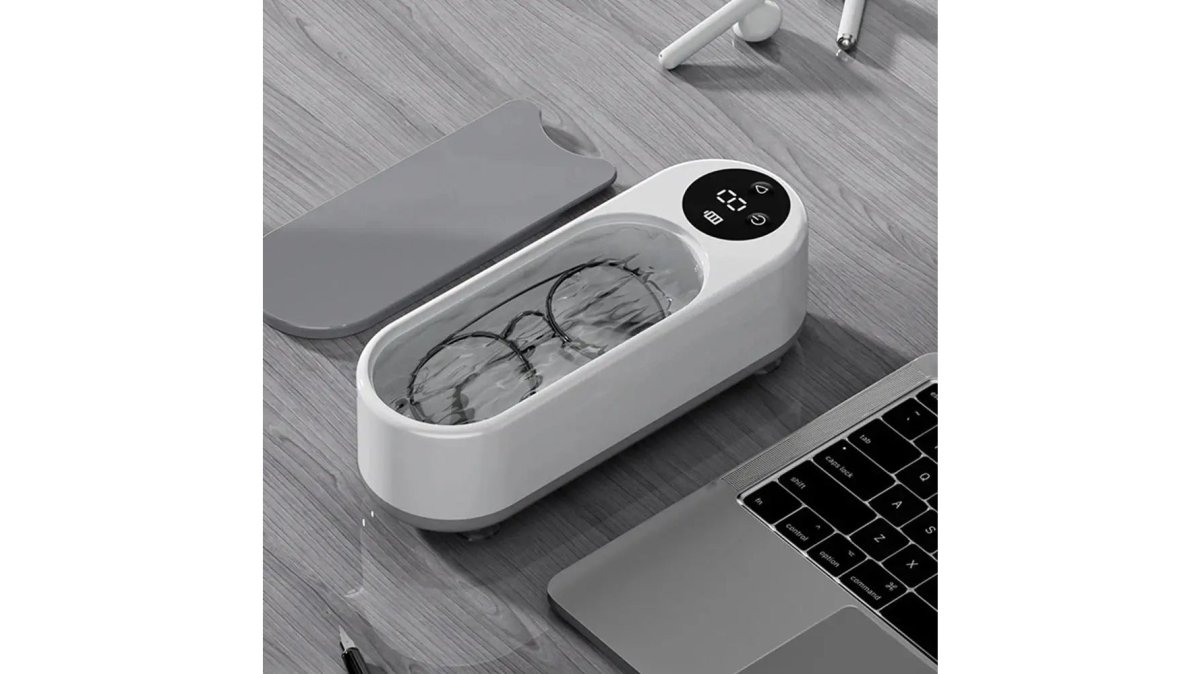
An ultrasonic retainer cleaner is a small device that uses high-frequency sound waves to clean dental appliances in a water bath. At MixVanta, we explain it this way: you fill the tank, drop in your retainer, and the machine does the scrubbing you cannot do by hand.
The tank holds water and your appliance. A transducer at the bottom converts electrical energy into rapid vibrations. Those vibrations create millions of tiny bubbles in the water.
What Cavitation Does to Plaque and Biofilm
Cavitation is the process where those bubbles form and collapse against the surface of your retainer. Each collapse releases a small burst of energy.
That energy lifts plaque, biofilm, and residue off the plastic. The action reaches into crevices and hard-to-reach areas that a toothbrush cannot touch. No scrubbing required.
The Benefits of Using Ultrasonic Retainer Cleaners at Home
The biggest benefit of using ultrasonic retainer cleaners at home is consistency. A machine runs the same thorough cycle every time, so cleanliness does not depend on how tired you are at night.

Here is what that means in practice:
- Deeper clean: Cavitation reaches crevices and hard-to-reach areas that brushing misses.
- Less effort: One-touch operation beats scrubbing by hand.
- Gentler on plastic: No abrasive brushing that can scratch clear aligners or a Hawley retainer.
- Better odor control: Lifting biofilm and buildup reduces the source of stale smells.
- Convenience: A cleaning cycle fits into any routine, at home or while traveling.
Manual cleaning still matters, but it works best as a partner to ultrasonic cleaning, not a replacement. The American Dental Association's guidance on caring for dental appliances is a sensible starting point for daily hygiene habits.
Are Ultrasonic Retainer Cleaners Safe for Every Appliance?
Ultrasonic retainer cleaners are commonly used with many dental appliances. Safe use depends on three things: the material of the appliance, the solution you use, and the temperature of the water.
Material Compatibility at a Glance
| Appliance or Material | Generally Safe? | What to Watch |
|---|---|---|
| Clear retainers and aligners (polyurethane or copolyester) | Yes | Keep water lukewarm; hot water can warp thin plastic |
| Hawley retainers with metal wires | Yes, with care | Confirm the device manual allows metal; avoid solutions with bleach or harsh acids |
| Night guards (hard or soft acrylic) | Yes | Soft guards may need a shorter cycle; check for loosening |
| Dentures with acrylic and metal clasps | Yes | Remove loose teeth or repairs before cleaning |
| Appliances with glued repairs or loose stones | No | Skip until repaired; cavitation can loosen weak bonds |
| Non-dental items (jewelry, small parts) | Sometimes | Do not mix with dental gear; residue can transfer |
Clear plastic appliances generally tolerate standard three-to-five-minute cycles, but thin aligners are the most heat-sensitive item in the tank. Lukewarm water, not hot, is the safe choice.
Why Temperature and Solution Matter
Heat can cause damage. Thin aligner plastic can lose its shape in hot water, and repeated exposure shortens the life of any appliance. Cleaning tablets designed for retainers are formulated to be gentle; household cleaners, bleach, and abrasive pastes are not. Bleach can degrade plastic and leave residue on an appliance you put in your mouth.
Follow the Manufacturer and Your Orthodontist
Every device has its own limits on cycle time, water level, and approved solutions. Read the manual before the first cycle, and when in doubt about a specific appliance, especially one with metal parts or a repair, ask your orthodontist. If you are also cleaning other dental appliances, an U shaped ultrasonic electric toothbrush is a separate option worth knowing about, but it does not replace the guidance for your retainer.

How Long to Clean a Retainer in an Ultrasonic Cleaner
Cleaning cycle length depends on the device; follow the cycle length in your machine's manual.
Here is a general schedule for appliance cleaning frequency:
| Appliance | Cycle Length | Frequency |
|---|---|---|
| Clear retainer or aligner | 3-5 minutes | Daily |
| Night guard | 3-5 minutes | Daily or every other day |
| Denture | 5 minutes | Daily |
| Hawley retainer with wire | 3-5 minutes | Daily |
| Heavy buildup or stains | 5 minutes, repeat once | As needed |
Run the cycle while you brush your teeth. By the time you finish, your retainer is clean and ready to wear.
Using an Ultrasonic Retainer Cleaner With Water and Tablets
Water alone does most of the work, but a cleaning tablet can boost results against stains and odor. The two together handle both the mechanical lift and the chemical breakdown of buildup.
Ultrasonic Retainer Cleaner Machine →
Here is how we would set up a cycle:
- Fill the tank to the marked line with lukewarm water.
- Add one retainer cleaning tablet if you want extra stain and odor control.
- Let the tablet dissolve for a moment before adding your appliance.
- Place the retainer in the basket or tank.
- Run a full cycle, then rinse the appliance under running water.
- Empty and dry the tank after each use.
Watch out: skip harsh household cleaners and bleach. They can degrade plastic and leave residue behind on an appliance you put in your mouth.
What to Look for in the Best Ultrasonic Retainer Cleaners
The best ultrasonic retainer cleaners combine a tank sized for dental appliances, simple controls, and easy maintenance. Everything else is a bonus.
A checklist for comparing models:
- Tank large enough for a full denture or night guard
- One-touch operation with a clear cycle indicator
- Removable tank for quick cleaning
- Type-C charging for travel convenience
- Gentle cleaning that will not scratch plastic
- Compact size for a bathroom counter
The ultrasonic retainer cleaner machine offers a removable tank, one-touch operation, and Type-C charging at $21.99. For buyers who want adjustable temperature levels and built-in sterilization, the automatic ultrasonic cleaner with sterilization at $47.99 adds those features.

Common Mistakes That Weaken Your Cleaning Routine
A common mistake is treating an ultrasonic cycle as a replacement for rinsing and brushing. It is not. The machine handles deep cleaning; you still need to rinse your retainer and brush it gently. Beyond that, most problems come down to a handful of fixable habits.
Troubleshooting: When Results Fall Short
- Cloudy retainer: Usually a sign of mineral buildup or heat damage. Try a cycle with a retainer cleaning tablet and lukewarm water; if cloudiness remains, the plastic may be etched or warped and should be checked by your orthodontist.
- Persistent odor: Biofilm in crevices or a dirty tank is the likely cause. Clean the tank, run a plain water cycle, and resume daily cleaning.
- White residue after a cycle: Often undissolved tablet or hard water minerals. Rinse the appliance under running water and dry it before storage.
- Appliance feels looser or warped: Stop using it and contact your orthodontist; heat damage is not reversible.
Habits That Undo a Good Cycle
- Using hot water: It can warp thin plastic aligners. Lukewarm is the safe choice.
- Skipping the post-cycle rinse: Residue from the tank stays on the appliance otherwise.
- Never cleaning the tank: A dirty tank undoes a clean cycle.
- Overloading the basket: Too many items block the cavitation action.
- Ignoring the manual: Each device has its own limits on cycle time and water level.
If an appliance is damaged rather than dirty, replace it instead of cleaning it, no cycle will restore warped plastic or a broken clasp.
Pick a Cleaner and Start a Routine Tonight
A cleaner retainer starts with one decision: put a machine on your bathroom counter and let it run while you brush. That small habit change is the whole game.
You do not need a complicated setup. A compact ultrasonic cleaner, lukewarm water, and an optional tablet cover the basics. Add a weekly tank rinse and you have a routine that holds up.
MixVanta stocks the appliances for it. The marketplace carries the Ultrasonic Retainer Cleaner Machine with one-touch operation and Type-C charging, plus the Automatic Ultrasonic Cleaner with Sterilization with four adjustable temperature levels. Free shipping is available over $70, and a 30-day money-back guarantee applies.
Get started with MixVanta and give your retainer the deep clean it deserves.
Frequently Asked Questions
Is an ultrasonic cleaner worth it for retainers?
It depends on how much manual scrubbing you want to do. An ultrasonic retainer cleaner reaches crevices a toothbrush misses and runs unattended, so it saves time and handles buildup more consistently than brushing alone. The trade-off is cost and counter space. A basic unit like the MixVanta Ultrasonic Retainer Cleaner Machine runs $21.99, which is a modest outlay for daily convenience. If you wear your retainer every night and skip cleaning when you are tired, the machine removes that excuse.
Do ultrasonic retainer cleaners work with just water?
Yes. Water alone is enough to create the cavitation bubbles that lift loose debris and biofilm from the surface of a retainer. Many people add a cleaning tablet or a drop of mild soap for extra stain and odor control, but plain tap water at room temperature is a valid baseline. Skip harsh chemicals, bleach, or abrasive powders, since those can damage plastic appliances. Change the water after every cycle so you are not soaking your retainer in the residue you just removed.
How long should I use an ultrasonic cleaner on a retainer?
Most home units run cycles of three to five minutes, and one cycle is usually enough for daily maintenance. For a retainer that has gone a while without cleaning, run two cycles with fresh water in between. Longer is not automatically better: extended vibration does not add much cleaning power once the biofilm has lifted, and it puts more wear on the appliance. Follow the cycle length in your machine's manual, then rinse the retainer under running water before putting it back in your mouth.
Are ultrasonic retainer cleaners safe for all types of retainers?
They are safe for the common plastic and wire appliances: clear aligners, clear retainers, Hawley retainers, night guards, and dentures. The gentle vibration does not scratch polished surfaces the way abrasive pastes can. Check the manufacturer's instructions if your appliance has glued components or a soft liner, since those are less common and worth confirming. Never put a retainer in a cleaner that is still hot from a sterilization cycle, and keep the appliance in the basket rather than resting directly on the tank floor.
The challenge is simple: most people clean their retainer by hand and miss the crevices where biofilm builds. A machine closes that gap in minutes a day. Browse MixVanta's personal care lineup, compare the two cleaners, and pick the one that fits your routine.


