


Table of Contents
- Understanding Currency Conversion Fees
- Best Credit Cards With No Foreign Transaction Fees
- Using Multi-Currency Accounts for Shopping
- Smart Checkout Strategies to Minimize Fees
- ATM Withdrawals and Debit Card Strategies Abroad
- Digital Wallets and P2P Payment Platforms
- Managing Subscription Services and Recurring Billing
- Conclusion
Last Updated: August 17, 2026
Understanding Currency Conversion Fees
When you shop online across borders, currency conversion fees represent one of the most overlooked expenses in international commerce, easily adding 2-5% to your final bill without notice.
Currency conversion fees are charges applied whenever your payment converts from your home currency into the merchant's local currency. These fees come from three sources: your card issuer, the payment network (Visa, Mastercard), and sometimes the merchant through dynamic currency conversion.
How foreign transaction fees work
Your credit card or debit card issuer typically charges a foreign transaction fee whenever you make a purchase in a currency different from your account's base currency. When you swipe your card abroad or online, the transaction processes at the interbank exchange rate, then your card issuer applies their own markup (typically 1-3%) and adds a flat foreign transaction fee (usually 1-3% again). That's potentially 6% in total conversion costs on a single purchase.
Most cardholders never see this breakdown itemized. The fee structure varies dramatically by card issuer and card type. Premium travel cards often waive these fees entirely. Standard cards almost always charge them.
What dynamic currency conversion is and why to avoid it
Dynamic currency conversion is a merchant-initiated option at checkout, offering to convert your purchase into your home currency immediately. It sounds convenient but uses the merchant's rate, which includes a 4-8% markup above the true market rate. The merchant profits from this spread, and you pay the difference.
At checkout, you'll see two currency options. The home currency option always looks worse because the merchant's conversion rate is intentionally unfavorable. Always select the local currency instead, then let your card issuer handle the conversion when the transaction settles. Your card issuer's rate, while not perfect, is significantly better than any merchant's dynamic conversion offer.
Best Credit Cards With No Foreign Transaction Fees
Not all credit cards treat international purchases equally. The difference between a card that charges foreign transaction fees and one that doesn't can save you hundreds annually if you shop internationally with regularity.
What to look for in a travel-friendly card
When evaluating credit cards for international shopping, focus on three features: zero foreign transaction fees, favorable exchange rate handling, and global merchant acceptance.
Cards marketed as travel cards typically waive foreign transaction fees entirely. However, they still don't control the exchange rate itself. What matters is whether the card issuer adds their own markup on top of the base rate.
The card's acceptance network also matters. Visa and Mastercard are accepted nearly everywhere globally. American Express has broader acceptance than it once did but still faces rejection in some regions. Discover is rarely accepted outside the United States.
Fee waiver programs and cardholder agreements
Your cardholder agreement is the authoritative source for what fees you'll actually pay. Some cards waive foreign transaction fees for purchases but charge them for ATM withdrawals. Others waive fees only when you use the card abroad, not when you shop online from home in a foreign currency.
Check whether the card's fee waiver applies to the specific transaction type you use most. Many card issuers now disclose their exchange rate markup in the cardholder agreement. Some add 1% to the base rate. Others add 2-3%. Request this information directly from your card issuer if it's not in the agreement.
Using Multi-Currency Accounts for Shopping
Multi-currency accounts represent a more sophisticated approach to managing currency conversion costs. Instead of converting at the moment of purchase, you pre-fund accounts in multiple currencies and spend directly from those balances.
How multi-currency accounts reduce conversion costs
When you hold balances in multiple currencies, you eliminate the real-time conversion fee entirely for transactions in those currencies. You convert once, when you choose to, typically at a rate you can control or at least understand in advance.
Many fintech platforms and international payment services offer multi-currency accounts. You link your primary bank account, transfer funds to the platform, and convert those funds into the currencies you use most frequently. When you make a purchase in one of those currencies, the platform simply debits your balance in that currency, no conversion fee, no markup, no merchant interference.
The strategic advantage emerges when you're making multiple purchases in the same currency. Convert once, make ten purchases, pay one conversion cost spread across all of them. Compare that to ten separate credit card transactions, each with its own foreign transaction fee and exchange rate markup.
Setting up and managing multiple base currencies
Most multi-currency account providers let you hold 10-30 different currencies simultaneously, though you'll typically use only 2-4 regularly. Converting between currencies within the account is usually instant or near-instant.
The key management principle is converting proactively during periods when exchange rates favor your home currency. If the dollar strengthens against the euro, that's the moment to convert dollars to euros for upcoming European purchases. Keep balances proportional to your actual spending and track your monthly spending patterns in each currency.

Smart Checkout Strategies to Minimize Fees
The checkout screen is where most currency conversion decisions happen, and most shoppers make them poorly because they don't understand what they're seeing.
Choosing local currency vs. home currency at the point of sale
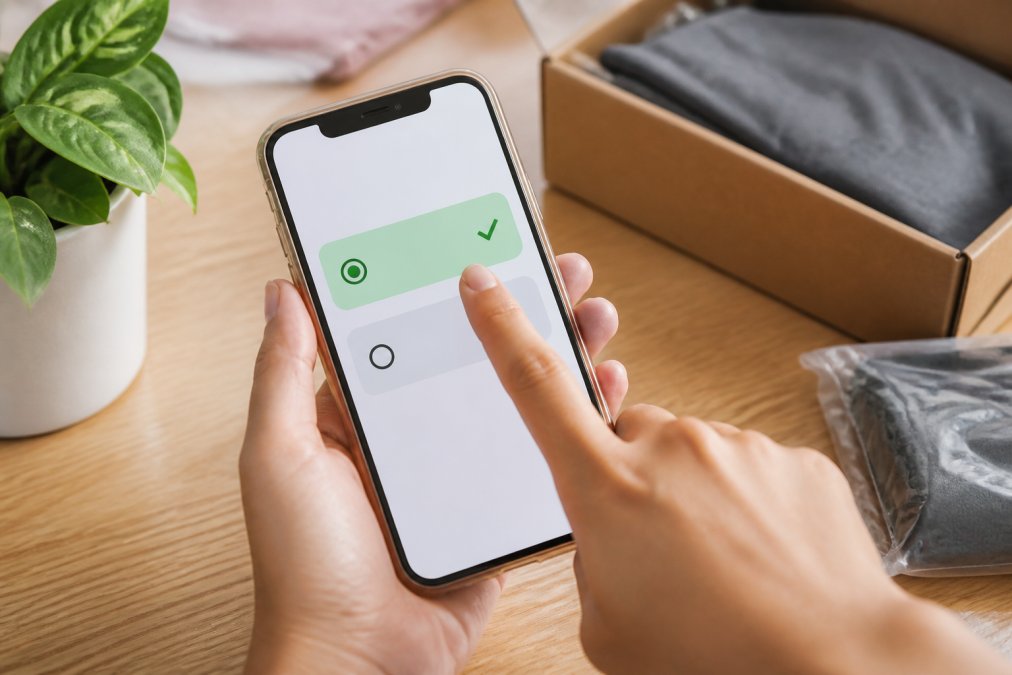
When you reach the payment stage on an international merchant's site, you'll typically see two currency options. Selecting the local currency means your card issuer handles the conversion later. Selecting your home currency means the merchant handles it immediately through dynamic currency conversion. The merchant's rate is always worse.
Always choose the local currency. Your card issuer's conversion rate, while not perfect, is substantially better than any merchant's dynamic currency conversion. You'll see the exact amount charged in the local currency, and your statement will show the converted amount in your home currency after the fact.
The only exception is if you're using a multi-currency account with a pre-funded balance in that currency. In that case, selecting the local currency option means spending directly from your balance at no conversion cost whatsoever.
Avoiding dynamic currency conversion at merchant terminals
In-person transactions at physical merchant terminals are trickier because the terminal might ask which currency you prefer before you've had time to think. When you use a card at a physical terminal abroad, the terminal might ask whether you want to proceed in the local currency or your home currency. Always choose local currency. The terminal operator is offering dynamic currency conversion to make a profit, not to help you.
ATM Withdrawals and Debit Card Strategies Abroad
Cash remains necessary in many situations while traveling or shopping internationally. ATM withdrawals introduce another layer of currency conversion costs, but strategic timing and selection can minimize them.
Finding ATMs with fee waivers and favorable exchange rates
Most ATMs abroad charge a fee for withdrawals by foreign cardholders, typically $2-5 per transaction plus your card issuer's own foreign transaction fee. The total cost can easily exceed 5-6% of the amount withdrawn.
Research your card issuer's international ATM partnerships before you travel or shop internationally. If your card issuer has partnerships with international banks, withdrawals at those banks' ATMs are often free or significantly discounted. Avoid ATMs in tourist areas, airports, and train stations. These locations have the highest fees because operators know they're targeting travelers with limited alternatives.
Timing withdrawals to reduce conversion spread costs
Each ATM withdrawal involves a conversion from the local currency to your home currency, and that conversion includes an exchange rate markup. Minimizing the number of withdrawals reduces the total markup you pay.
Withdraw larger amounts less frequently rather than small amounts multiple times. One $300 withdrawal costs you one conversion fee and one markup. Three $100 withdrawals cost you three conversion fees and three markups. The difference compounds noticeably.
Withdraw when exchange rates are favorable to your home currency. If the dollar strengthens, that's when to withdraw dollars' worth of local currency. If the dollar weakens, minimize withdrawals until the rate improves.
Digital Wallets and P2P Payment Platforms
Digital payment methods have fundamentally changed how currency conversion works for online shopping. Some methods charge fees; others eliminate them entirely.
How digital wallets handle currency conversion
Apple Pay, Google Pay, and similar digital wallets don't eliminate currency conversion, they just hide it. When you use a digital wallet for an international purchase, the payment still goes through your linked credit card or bank account, so you still pay foreign transaction fees if your card charges them.
Some digital wallet providers, particularly fintech platforms and peer-to-peer payment services, do offer better conversion rates than traditional cards. These platforms often operate their own payment networks and can negotiate better rates with merchants and payment processors.
Using P2P platforms for cross-border transactions
Peer-to-peer payment platforms like PayPal, Wise, and similar services offer a different approach to currency conversion. Instead of converting at the moment of purchase, these platforms hold balances in multiple currencies and convert at rates they negotiate directly with banks.
Wise specializes specifically in international transfers and currency conversion. They publish their exchange rates transparently and charge a small, clearly disclosed fee. This is significantly cheaper than credit card foreign transaction fees.
For general online shopping at major retailers, traditional payment methods remain more practical. But for recurring international payments, subscriptions, or transfers to specific countries, P2P platforms often provide the best rates available.
Managing Subscription Services and Recurring Billing
Subscription services and recurring payments introduce unique currency conversion challenges because the conversion happens repeatedly, often without your active attention.
How subscription services charge in foreign currencies
Most subscription services charge you in the currency of the service provider's location, not your home currency. A streaming service based in the UK will charge you in GBP. A software service based in Germany will charge you in EUR. Your card issuer converts these charges to your home currency on each billing cycle.
This means you're paying foreign transaction fees on every single subscription payment. If you have five subscriptions in different foreign currencies, you're paying five separate conversion fees monthly.
Some subscription services offer the option to pay in your home currency through dynamic currency conversion. As discussed earlier, this is almost always a worse rate than letting your card issuer handle the conversion. Avoid it.
Strategies for recurring international payments
For subscriptions you plan to maintain long-term, consider using a multi-currency account or P2P platform instead of a credit card. Pre-fund a balance in the subscription's currency, and the recurring payment draws from that balance without conversion fees.
Alternatively, use a credit card with no foreign transaction fees specifically for recurring international payments. Designate one card for all subscriptions, ensuring you're paying the lowest possible rate for all of them.
Track your recurring international payments explicitly. Many people discover they're paying foreign transaction fees on subscriptions they forgot they had. Quarterly review of your statements can reveal subscriptions you no longer use or want to cancel, eliminating unnecessary conversion costs entirely.
Shopping internationally doesn't have to mean accepting high currency conversion fees as inevitable. The strategies that work best depend on your specific situation: occasional international purchases, frequent shopping in a specific currency, or recurring subscriptions in multiple currencies.
Start by evaluating which currency conversion method applies most to your shopping patterns. Use a travel-friendly credit card with no foreign transaction fees for occasional purchases. Set up a multi-currency account for regular spending in specific currencies. Choose local currency at every checkout. These fundamentals eliminate most unnecessary conversion costs, leaving only the unavoidable markup that even the best strategies can't eliminate entirely.
Frequently Asked Questions
Is there a way to avoid currency conversion fees when shopping online?
Yes. The most effective strategies include using credit cards with no foreign transaction fees, choosing local currency at checkout instead of your home currency, and using multi-currency accounts that lock in interbank exchange rates. Digital wallets and P2P payment platforms also offer competitive conversion rates without the surcharges that card issuers typically apply. The key is understanding which payment method your merchant terminal supports and comparing the conversion spread across your options before completing the cross-border transaction.
What credit cards do not charge foreign exchange fees?
Many travel-focused credit cards and premium cards offer fee waivers on foreign transactions. When evaluating cardholder agreements, look for cards that explicitly state 0% foreign transaction fees and waive the typical 2-3% surcharge that most card issuers apply. Your bank's fee disclosure documentation will outline which cards offer this benefit. Comparing cards based on their conversion spread and fee waiver programs helps you select the best option for your international purchases. Check your current card issuer's website or contact their customer service to confirm whether your existing card qualifies.
How does dynamic currency conversion work, and why should I avoid it?
Dynamic currency conversion (DCC) occurs at the point of sale when a merchant terminal offers to convert your transaction into your home currency immediately instead of your base currency. While this seems convenient, the conversion spread applied is typically 2-4% higher than the interbank exchange rate, costing you significantly more than if you let the payment network handle the conversion later. Always decline DCC and choose the local currency option instead. Your card issuer will convert the transaction at a more favorable rate, saving you money on the final amount posted to your account statement.
How can I use a multi-currency account to reduce conversion costs?
Multi-currency accounts allow you to hold balances in multiple base currencies simultaneously, letting you spend in local currency without triggering a conversion at the point of sale. You fund the account by converting your home currency once at a favorable interbank exchange rate, then spend directly from that balance when making purchases abroad or online. This eliminates the surcharge that card issuers apply to each individual cross-border transaction. Set up accounts in the currencies you spend most frequently in, and monitor exchange rates to convert when rates are favorable.
This article was written using GrandRanker


