


Table of Contents
- Understanding Shipping Times for Home Goods
- Average Delivery Time for Furniture and Large Items
- Factors Affecting Home Goods Delivery Speed
- How to Choose the Best Shipping Method for Home Goods
- Preparing Your Home Goods for Transport
- Tracking and Managing Your Delivery
- Conclusion
Last Updated: August 26, 2026
Understanding Shipping Times for Home Goods
When you order furniture or household items online, one question dominates: how long will it actually take to arrive? The answer depends on multiple interconnected factors that most retailers don't fully explain. MixVanta and other major marketplaces handle thousands of shipments daily, and understanding the logistics behind those deliveries helps you make smarter purchasing decisions.
Shipping times for home goods aren't fixed. A couch ordered today might arrive in five business days or five weeks depending on the carrier, your location, item size, and service level you select. The difference between standard and expedited shipping can mean the gap between next-week delivery and waiting a month. This guide walks you through how to compare shipping times for home goods, decode what carriers actually promise, and choose the right service for your situation.
Federal Trade Commission's guide to shipping and delivery requires retailers to deliver items within the timeframe advertised or issue refunds. That legal framework shapes how companies communicate delivery windows, but it doesn't eliminate confusion about what those windows actually mean.
Average Delivery Time for Furniture and Large Items
Most furniture and large household items arrive within 7 to 21 business days when using standard shipping from major retailers. This timeline accounts for order processing, warehouse picking, carrier transit, and final delivery. The variation depends heavily on your distance from the fulfillment center and the carrier's regional capacity.
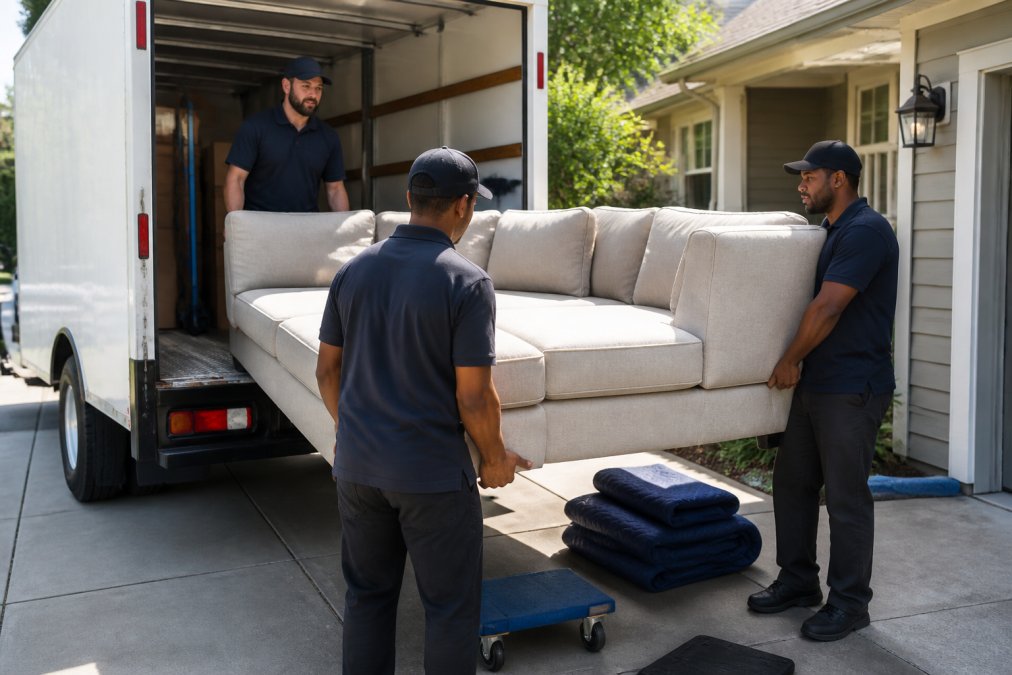
Standard shipping for bulky items typically takes 10-14 business days for domestic delivery within the continental United States. Expedited shipping can cut that to 5-7 business days, though it comes at a higher cost. White-glove delivery services, which include assembly and placement, usually add 3-5 extra business days to the timeline because the carrier schedules specific appointment windows rather than using standard delivery routes.
Standard vs. Expedited Shipping Windows
Standard shipping moves items through regular freight logistics channels. Your furniture travels on consolidated shipments with other orders, which reduces costs but extends transit time. The carrier prioritizes efficiency over speed, meaning your sofa might spend a day or two at a regional distribution hub waiting for a full truck before moving to the next facility.
Expedited shipping prioritizes your shipment. It moves on dedicated routes with fewer stops and gets loaded onto trucks faster. You're paying for priority handling, which translates to 3-7 fewer days in most cases. However, expedited shipping for furniture often costs more than standard options, making it a choice primarily for urgent situations.
Transit Times by Shipping Method
Different carriers handle home goods using distinct logistics networks. Freight carriers like XPO Logistics and Old Dominion specialize in large household items and typically deliver within 7-10 business days for standard service. Parcel carriers like UPS and FedEx handle smaller items faster but cap weight limits, so they're not suitable for couches or dining tables.
LTL (less-than-truckload) carriers consolidate shipments from multiple customers, which keeps costs down but extends transit time. Full-truckload carriers dedicate an entire truck to your delivery, which costs more but guarantees faster, more direct routing. Regional carriers often beat national timelines because they have localized distribution networks, a shipment staying within one region moves faster than one crossing the country.
Factors Affecting Home Goods Delivery Speed
Shipping time isn't random. Several measurable factors determine whether your delivery arrives in 7 days or 21. Understanding these variables helps you predict realistic timelines and choose appropriate service levels.
Shipping Zones and Distance Impact
Carriers divide the country into shipping zones based on distance from distribution centers. Zone 1 (same-day or next-day) covers areas immediately surrounding a warehouse. Zone 8 (the furthest) can be 2,000+ miles away. Your delivery speed depends partly on which zone your address falls into relative to the fulfillment center.
A sofa ordered from a warehouse in Ohio destined for California travels through multiple zones and typically takes 14-21 business days on standard service. The same sofa ordered by someone in Ohio from that same warehouse might arrive in 5-7 business days. Zip code proximity to distribution hubs is one of the strongest predictors of delivery speed.
Rural addresses add 2-5 extra business days compared to urban deliveries because the final-mile carrier must travel further to reach you. Some carriers charge rural surcharges specifically because these deliveries require additional routing and time.
Item Size, Weight, and Logistics Complexity
Larger items take longer to ship because they require special handling. A queen-size mattress (which weighs 60-100 pounds) moves through different logistics channels than a lamp. Freight carriers handle items over 100 pounds, while parcel carriers handle lighter goods. This difference alone can add 5-10 business days to delivery.
Fragile items require extra care in packing and handling, which slows the process. Glass tabletops, mirrors, and delicate ceramics spend more time in warehouses being carefully prepared for transit. Carriers inspect these items more thoroughly before shipping, adding 1-3 business days to the timeline.
Bulky but light items (like a large lampshade or inflatable pool) present their own challenges. They take up significant truck space relative to their weight, so carriers consolidate them differently, sometimes extending transit time.
Carrier Rates and Service Level Choices
The service level you select directly determines speed. Most carriers offer three tiers: economy (slowest, lowest cost), standard (middle ground), and expedited or priority (fastest, highest cost). Choosing economy shipping on a furniture order can add 7-10 days compared to standard service.
Seasonal demand also affects carrier rates and timelines. During peak seasons (November-December, summer), carriers operate at full capacity and standard timelines extend by 3-5 days. Ordering during off-peak months (January-March, September) typically results in faster delivery because carriers have more capacity.
Carrier selection matters. Some carriers specialize in furniture and have optimized routes for large items, delivering faster than generalist carriers. Checking which carrier will handle your specific shipment helps predict realistic timelines, a question many retailers don't clearly answer upfront.
How to Choose the Best Shipping Method for Home Goods
Comparing shipping times for home goods requires evaluating your priorities: speed, cost, and service quality. There's rarely a perfect choice, you're balancing trade-offs.
Start by identifying your deadline. Do you need the item within two weeks, or can you wait a month? If you need it fast, expedited or white-glove service is necessary. If you have flexibility, standard shipping saves money and is reliable enough for most situations.
Next, check the item's weight and dimensions. Anything over 150 pounds almost certainly requires freight shipping, which has different timelines than parcel carriers. Retailers should specify which carrier will handle your order; if they don't, ask before purchasing.
Consider your location. If you're in a major metropolitan area near a distribution hub, standard shipping is typically 7-10 business days. If you're rural or far from warehouses, add 5-7 days to any quoted timeline. This is the single largest variable you can't control.
Ship-to-Home vs. Ship-to-Store Logistics
Ship-to-home delivers directly to your address and is the standard option for furniture. The carrier manages the final-mile delivery, and you coordinate timing with them. Most carriers offer delivery windows (morning or afternoon) but not specific appointment times without paying extra.
Ship-to-store sends items to a nearby retail location for you to pick up. This option is faster, typically 3-5 business days, because the carrier doesn't need to schedule individual deliveries. You handle the final mile yourself, which saves the retailer money and time. However, ship-to-store only works for items that fit in a store's receiving area; large furniture is rarely available through this option.
Ship-to-store works well for smaller household goods like electronics, kitchen appliances, or decor items. For furniture, ship-to-home is almost always your only choice.
White-Glove Service and Lift-Gate Options
White-glove service includes delivery, assembly, placement, and old-item removal. The carrier schedules a specific appointment (not just a delivery window), brings the item inside, assembles it if needed, and positions it in your home. This service typically adds 3-5 business days to the timeline because appointments must be scheduled and coordinated.
White-glove delivery costs significantly more, but eliminates the burden of moving heavy furniture yourself. If you're elderly, injured, or simply don't want to handle a 300-pound sectional, this service is worth the extra time and cost.
Lift-gate service is a middle ground. The carrier lowers the item from the truck bed to your driveway using a hydraulic lift, but doesn't bring it inside or assemble it. This service costs more than standard delivery and adds 1-2 business days. It's useful if you have help moving the item but need assistance getting it off the truck.
Preparing Your Home Goods for Transport
Before your shipment arrives, prepare your home and understand what to expect. Proper preparation prevents damage and delays.

Clear the delivery path. Remove obstacles, rugs, and small furniture from hallways and doorways. Measure doorways and staircases to confirm the item will fit through them. A sofa that fits your living room might not fit through your front door, this is a critical oversight that causes delivery delays or refusals.
Protect your floors. Lay down cardboard or drop cloths in high-traffic areas. Delivery teams move heavy items across your home, and scratches happen. Taking five minutes to lay protection saves hours of frustration.
Confirm someone will be home. Most carriers require someone to be present to sign for the delivery and inspect the item for damage. If you're not home, the carrier leaves the item on your porch or returns it to the facility, adding days to your timeline.
Document the condition when it arrives. Take photos of the packaging and item before signing off. If damage occurs during shipping, you'll need this evidence for a claim. Most carriers allow 24-48 hours to report damage before they deny claims.
Tracking and Managing Your Delivery
Once your order ships, tracking becomes your window into the logistics process. Understanding what tracking information means helps you anticipate arrival and troubleshoot delays.
Understanding Your Tracking Number and Delivery Window
Your tracking number is issued when the carrier picks up your item from the warehouse. This number lets you see the item's location, estimated delivery date, and any delays. Most carriers update tracking information daily, though some only update every 2-3 days for freight shipments.
The delivery window is typically a range (e.g., "between 8 AM and 5 PM on Tuesday"). Carriers rarely provide specific times for standard freight deliveries. If you need a specific appointment, you usually must pay extra for white-glove or priority appointment service.
Tracking shows you when the item is picked up, when it arrives at regional distribution hubs, and when it's out for delivery. If tracking hasn't updated in 3+ days, contact the carrier, delays happen, and you want to know about them early.
Hidden Fees and Shipping Insurance Considerations
Standard shipping quotes don't always include all costs. Many carriers charge separate fees for delivery to rural addresses, for items over certain weights, or for residential (versus commercial) delivery. These fees can add to the quoted shipping cost.
Lift-gate fees, appointment scheduling, and delivery to upper floors are common hidden charges. Ask retailers explicitly: "What's the total shipped cost including all fees?" before completing your purchase. MixVanta and similar marketplaces often disclose these fees at checkout, but traditional retailers sometimes don't.
Shipping insurance protects your item if it's damaged or lost in transit. Standard carrier liability covers only a fraction of the item's value. Optional insurance covers the full amount. For expensive furniture, this insurance is worth the cost.
Comparing shipping times for home goods comes down to understanding the variables: distance, item size, carrier choice, and service level. Standard shipping works for most situations and typically delivers within 10-14 business days. Expedited options cut that to 5-7 days but cost significantly more. White-glove service adds time but eliminates the physical burden of moving heavy items.
When shopping at MixVanta or other marketplaces, check the carrier details, confirm your zone distance, and select the service level that matches your timeline and budget. Ask about hidden fees upfront. Clear your delivery path, protect your floors, and be home when the item arrives. With these steps, your furniture arrives on schedule and in good condition.
Frequently Asked Questions
Q: What are standard shipping times for home goods?
A: Standard shipping times for home goods typically range from 5 to 14 business days, depending on your destination zip code and the shipping method selected. Expedited options can reduce this to 2 to 5 business days. Bulky items like furniture often have longer transit times due to freight logistics and carrier scheduling. Always check the delivery estimate provided at checkout before completing your order.
Q: What factors affect delivery speed when shipping home goods?
A: Several factors influence how fast your home goods arrive: your shipping zone (distance from the warehouse), item weight and dimensions, whether you choose standard or expedited shipping, current supply chain conditions, and the carrier's lead time. Residential delivery addresses may take longer than commercial locations. White-glove service and lift-gate options also add time to the delivery window.
Q: Is it faster to ship home goods to your home or to a store?
A: Ship-to-store options often have faster delivery windows because items bypass last-mile residential delivery. However, availability depends on store locations near you. Ship-to-home offers convenience but typically requires longer transit times, especially for bulky items requiring freight logistics. Compare both options during checkout to see which delivery window works best for your needs.
Q: How can I estimate my home goods delivery date?
A: Use the shipping calculator available at checkout to enter your destination zip code and select your shipping method. This generates a delivery estimate based on current carrier rates and logistics schedules. Factor in business days (weekends and holidays don't count). Your tracking number updates throughout transit, providing real-time visibility into your exact delivery window.
This article was written using GrandRanker


