


Table of Contents
- Why Verifying Product Quality Online Matters
- Step 1: Check the Seller's Credibility and Reputation
- Step 2: How to Spot Fake Reviews and Identify Real Feedback
- Step 3: Verify Website Security and SSL Certificates
- Step 4: Identifying Authentic Brand Websites and Legal Information
- Step 5: Use Tools to Verify Product Information
- Step 6: Analyze Product Descriptions and Images for Quality Signals
- Step 7: Post-Purchase Inspection and Return Policy Review
Last Updated: August 19, 2026
Why Verifying Product Quality Online Matters
Buying products online feels convenient until you open the box and realize what arrived doesn't match what you ordered. The gap between product photos and reality has grown wider as marketplaces flood with sellers offering everything from electronics to household essentials.
At MixVanta, we've tracked customer concerns about authenticity and quality across thousands of purchases. The problem isn't just counterfeit goods, it's incomplete information. Product listings might show beautiful images stolen from other sellers, reviews might be fabricated, and websites might lack basic security features. When you're shopping for household needs, pet accessories, or electronics, any of these red flags can lead to wasted money and frustration.
This guide walks you through seven concrete steps to verify product quality online before you buy: checking seller credibility, spotting fake reviews, verifying website security, confirming brand authenticity, using verification tools, analyzing product descriptions, and inspecting what arrives.
Step 1: Check the Seller's Credibility and Reputation
The seller behind the listing matters as much as the product itself. A legitimate seller with transparent business information and consistent positive feedback is far more likely to deliver quality merchandise.
Start by looking for basic seller information. A credible retailer displays a physical address, contact phone number, and email on their website. This is a legal requirement under consumer protection standards. If a seller hides behind a generic "contact us" form with no direct contact details, that's a red flag.
Check how long the seller has been operating. Use WHOIS lookup tools to verify domain registration dates. Legitimate retailers typically operate for at least a year. A newer domain combined with other warning signs becomes concerning.
Review the seller's feedback history and ratings across multiple platforms. Don't just look at the overall score, read individual reviews for patterns. Do customers consistently mention receiving items different from descriptions? Are there complaints about refunds not being processed? Patterns matter more than isolated negative reviews.
Check if the seller appears on multiple legitimate marketplaces. Established retailers typically sell across several platforms because they've built trust.
Step 2: How to Spot Fake Reviews and Identify Real Feedback
Fake reviews are everywhere. Learning to distinguish authentic customer feedback from fabricated reviews is critical to assessing actual product quality.
Real reviews contain specific details about actual use. "Great product!" tells you nothing. "Used this for two weeks before the battery stopped holding a charge" tells you something real. Look for reviews that describe problems alongside praise. A product with only five-star reviews is suspicious.
Check review timestamps and patterns. If a product suddenly gets twenty five-star reviews within hours, that's fabricated. Legitimate reviews arrive sporadically over time.
Verified purchase badges matter. Most legitimate marketplaces mark reviews from people who actually bought the item. Reviews without verified purchase status deserve skepticism.
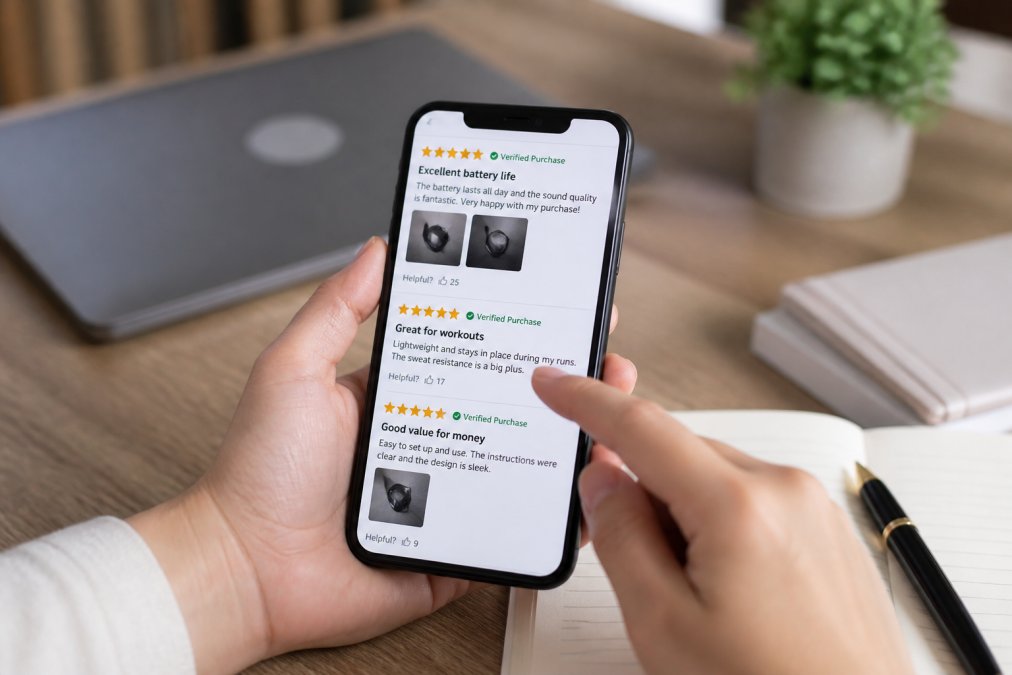
Look for reviews that mention competing products or alternatives. Fake reviews rarely do this. Real customers often compare products. A review that mentions drawbacks alongside positives is almost always genuine.
Check the reviewer's profile if available. Do they have a history of reviewing products? Are their other reviews detailed and thoughtful? Fake review services use accounts with minimal history or accounts that suddenly post dozens of reviews in short timeframes.
Step 3: Verify Website Security and SSL Certificates
Website security is non-negotiable. Before entering any payment details, verify that the website uses proper encryption and security protocols.
Look for HTTPS in the URL, not HTTP. The "S" means the connection is encrypted. Your browser should show a padlock icon next to the URL. Click that padlock to view the security certificate details. A certificate from a reputable authority (like DigiCert, Sectigo, or Let's Encrypt) is standard. An expired certificate or one from an unknown authority is a warning sign.
Check if the website displays security badges from recognized providers like Norton Secured, McAfee Secure, or Trustwave. Hover over these badges to verify them rather than just trusting their appearance. Fake security badges are common on fraudulent sites.
Look for a privacy policy and terms of service easily accessible at the bottom of the page. A legitimate business explains how they handle your data and what your rights are. If the privacy policy is vague or nonexistent, reconsider shopping there.
Test the website's responsiveness to errors and check if it loads quickly and functions smoothly. A poorly maintained website often correlates with poor security practices.
Step 4: Identifying Authentic Brand Websites and Legal Information
Counterfeit products often come from unauthorized sellers operating fake brand websites. Learning to identify the authentic brand website is crucial.
Start with the official brand website. Search for the brand name plus ".com" or visit the brand's official social media profiles. Check if the domain name matches the brand exactly. Scammers use similar-looking domains like "brandd.com" when the real site is "brand.com".
Verify the website's legal information. The official brand site should display company registration details, a physical headquarters address, and ownership information. Cross-reference this address with online searches.

Look for contact information beyond a contact form. Real brand websites provide phone numbers, email addresses, and physical mailing addresses. Call or email to ask a simple question. A legitimate brand responds.
Check the brand's official social media accounts for consistent branding. Verify that the website links to these official accounts and that the accounts link back to the website.
Look for certifications, awards, or industry memberships listed on the site. Verify them by visiting the certifying organization's website independently.
Step 5: Use Tools to Verify Product Information
Several tools and techniques can verify whether a product is authentic and of quality.
Barcode and ISBN lookups are straightforward. Every legitimate product has a UPC (Universal Product Code) or ISBN. Use free barcode lookup tools to search the product's code. The lookup should return the product name, manufacturer, and other details. If the barcode doesn't match or is missing, don't buy it.
Reverse image search is powerful for spotting stolen product photos. Take the main product image and search it using Google Images or TinEye. If that exact image appears on multiple unrelated websites or on the official brand site under a different price, the listing is likely using stolen photos.
Check the product's specifications against the manufacturer's documentation. Do the dimensions, weight, and features align?
Look for third-party certifications relevant to the product category. Safety certifications like UL, CE, or FCC are required for many electronics. Verify them on the certifying body's website.
Use price comparison tools to check if the listed price is realistic. If a product is significantly cheaper than every other seller, that's suspicious.
Check the product's return policy and warranty information. Legitimate sellers back their products with warranties and hassle-free returns. If a seller offers no returns or an unusually short return window, that's concerning.
Step 6: Analyze Product Descriptions and Images for Quality Signals
The way a product is presented reveals a lot about quality and authenticity.
Professional product descriptions contain specific details about materials, dimensions, weight, colors available, and technical specifications. Vague descriptions like "nice quality" suggest the seller doesn't know much about the product. Read the fine print for any limitations or compatibility requirements.
Look at product images carefully. Professional photos show the item from multiple angles against a clean background in high resolution. If images are blurry or low-quality, that's a red flag. Five or more images from different angles suggests the seller is confident in the product.
Check if images match the description. If the description mentions a specific color or feature, do the images show it? Mismatches indicate either carelessness or intentional deception.
Look for lifestyle images that show the product in actual use. These help you understand real-world application. A product for pet enrichment should show pets actually using it.
Examine packaging images if available. Quality products come in professional packaging. Counterfeit products often have packaging that's slightly off, with wrong logos, misspelled text, or poor printing quality.
Step 7: Post-Purchase Inspection and Return Policy Review
Your verification process doesn't end when you buy. What arrives matters as much as what you ordered.
Before finalizing your purchase, understand the return policy completely. How many days do you have to return? Is return shipping free or at your expense? What condition must the item be in? A good return policy gives you at least 30 days and covers return shipping for defective items.
When the package arrives, inspect it immediately. Check the outer packaging for damage. Open the package carefully and inspect the contents against the listing. Is this actually what you ordered? Does the product match the images? Verify all components are included and look for signs of use.
Test the product if possible before the return window closes. For electronics, power it on and verify basic functions work. For pet toys, inspect for loose parts, sharp edges, or defects that could harm an animal.
If something is wrong, document it with photos and contact the seller immediately. Most legitimate sellers will issue refunds or send replacements quickly. If the seller refuses to help, you have recourse through the marketplace's buyer protection policies or your credit card company.
Keep all packaging and documentation until the return window closes.
Check if MixVanta's free shipping options and 30-day money-back guarantee apply to your purchase. These protections mean you can shop with confidence, knowing you have a clear path to resolution if quality issues arise.
Verifying product quality online requires attention to detail and skepticism about what you see. The seven steps above address the most common ways counterfeit products, poor-quality items, and scams make their way into online orders. By checking seller credibility, analyzing reviews critically, verifying website security, confirming brand authenticity, using verification tools, examining product presentations, and inspecting what arrives, you dramatically reduce the risk of a bad purchase.
The investment of time upfront saves frustration and money later. When you shop at MixVanta, you're buying from a platform committed to connecting you with quality products across diverse categories, backed by free shipping options and a 30-day money-back guarantee. That foundation of trust makes your verification process simpler, but these steps apply wherever you shop online.
Frequently Asked Questions
What's the fastest way to verify product quality online before buying?
Start with seller credibility: check their return policy, customer feedback patterns, and how long they've been in business. Then verify the website uses SSL encryption (look for the padlock icon in your browser). Cross-reference the product on the brand's official website to confirm authenticity. These three steps take under five minutes and catch most quality issues before checkout.
How do I spot fake reviews and identify real customer feedback?
Real reviews typically mention specific product details, include both strengths and weaknesses, and vary in length and tone. Fake reviews often use generic language, appear in clusters with identical wording, or contain excessive praise without specifics. Check the reviewer's history, do they have other verified purchases? Look for reviews with photos of actual unboxing or use. Verified purchase badges are a strong signal of authenticity.
What should I check to ensure an e-commerce site is reliable?
Verify the site has a valid SSL certificate (padlock icon in your browser), clear contact information including a physical business address, a straightforward return policy, and customer support channels. Research the domain age using WHOIS lookup tools, established sites typically have longer histories. Check if the business is registered with state authorities and search for complaints on consumer protection websites.
How can I tell if a brand website is authentic?
Visit the official brand website directly by typing the URL into your browser rather than clicking links from search results. Compare product descriptions, images, and pricing across the brand's official site and authorized retailers. Authentic brand websites typically have professional design, consistent branding, detailed product specifications, and clear company information. Reverse image search product photos to verify they match official brand listings.
This article was written using GrandRanker


